
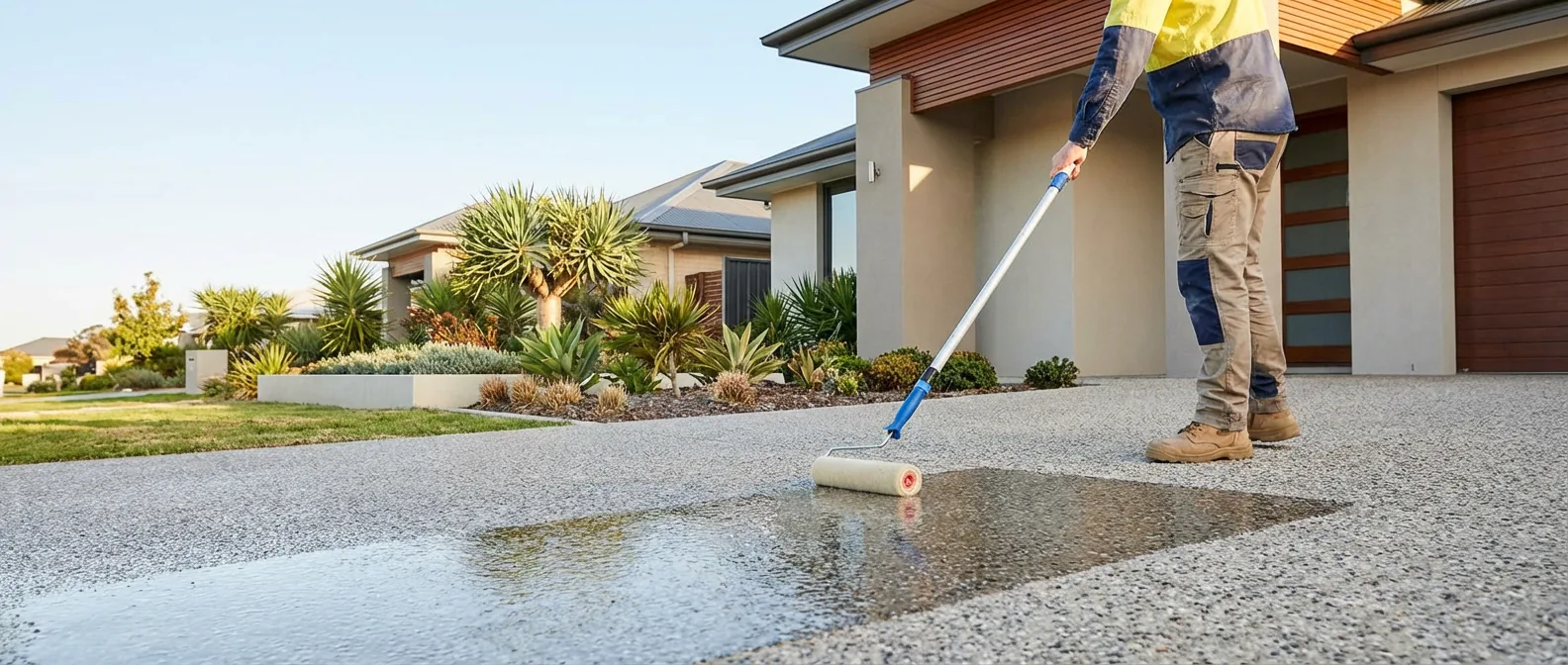
Sealing your concrete driveway extends its lifespan, enhances appearance, and protects it against Australia’s harsh climate. Whether you live in Melbourne’s northern suburbs or elsewhere across Australia, mastering the process of driveway sealing AU can preserve your investment and keep your driveway looking pristine for years.
This comprehensive guide covers everything you need to know about sealing a concrete driveway in Australia, offering expert tips tailored for local materials, environmental conditions, and sourcing advice.
Understanding Driveway Sealing in Australia
Why Seal Your Concrete Driveway?
Concrete driveways in Australia are prone to wear from intense sun, heavy rainfall, and fluctuating temperatures. Sealing creates a protective barrier that prevents moisture penetration, reduces erosion, minimises staining, and protects against UV degradation. By applying a durable driveway seal, you reduce cracking and surface damage, keeping your driveway structurally sound and visually appealing. According to the Australian Concrete Repair Association, sealed concrete driveways can increase lifespan by up to 30% under typical Australian weather stressors.
Overview of Concrete Driveway Types Common in Australia (Standard concrete, aggregate concrete, pavers)
Driveways in Australia predominantly use three main surface types:
- Standard concrete: Smooth and flat, often used for modern residential driveways.
- Aggregate concrete: Exposed stone or pebble surfaces, required for aesthetic appeal and slip resistance.
- Pavers: Interlocking bricks or stones, offering design flexibility.
Each surface type responds differently to sealers such as aggregate concrete sealer, paver sealer, and concrete paver sealer, making it essential to choose compatible products.
Australian Climate Impact on Concrete Driveways (UV exposure, rainfall, temperature fluctuations)
Australia’s elevated UV index—often exceeding 9 in summer—intensifies concrete deterioration. UV rays break down sealer polymers leading to fading and cracking. Additionally, coastal and inland regions experience sporadic heavy rainfall that can saturate unsealed concrete, causing erosion and frost damage in winter months. Thermal expansion from temperature swings causes surface stress, cracking, and joint separation. Selecting and applying a sealer suitable for such conditions safeguards your driveway from these climactic challenges.
Understanding these factors sets the foundation for the effective preparation and sealing process ahead.
Preparation Steps Before Sealing Your Concrete Driveway
Surface Cleaning and Debris Removal Techniques
- Remove loose debris: Sweep and blow away leaves, dirt, and dust.
- Power wash: Use a pressure washer (1200-3000 PSI range) to deep clean the surface, focusing on stains, algae, or oil spots.
- Apply degreasers: Treat oil stains with an enzymatic cleaner or degreaser suited for concrete to eliminate stubborn residues.
- Allow drying: Let the surface dry completely before proceeding to repairs or sealing.
For detailed insights on drying times post-cleaning and sealing, refer to our dedicated guide on how long concrete sealer takes to dry to better plan your project timeline.
Repairing Cracks and Imperfections in Concrete and Aggregate Surfaces
Inspect your driveway for cracks, chips, or surface damage. Use specialised concrete repair fillers designed for Australian conditions to patch and smooth imperfections. When working on aggregate concrete, ensure repair materials match the finish to maintain uniform appearance and adhesion. This step is crucial to prevent sealer failure due to underlying structural issues.
Moisture Testing and Drying Requirements for Australian Conditions
Sealers adhere best to dry surfaces. Conduct moisture tests using either a calcium chloride kit or relative humidity probes to confirm the substrate is below recommended moisture levels (usually under 4%). Humidity in Australian summers can prolong drying times; schedule sealing during low-humidity days for optimal curing.
Safety Gear and Precautionary Measures (including local Australian safety standards)
- Wear protective gloves, eye protection, and respiratory masks compliant with Australian Safety Standards (AS/NZS 1715 and AS/NZS 1716).
- Ensure adequate ventilation when using solvent-based sealers.
- Follow safety data sheets (SDS) of the concrete driveway sealer products used.
For more safety information, visit Safe Work Australia.
With thorough preparation in place, choosing the correct sealer next will maximize your driveway’s resilience.
Selecting the Right Concrete Driveway Sealer in Australia
Types of Concrete Driveway Sealers (Wet look concrete sealer, high gloss concrete sealer, cement driveway sealer, aggregate sealer, black and charcoal concrete sealers)
| Sealer Type | Description | Best For | Finishes Available |
|---|---|---|---|
| Wet look concrete sealer | Enhances concrete’s natural colour, producing a wet shine effect | Standard and aggregate concrete | Glossy, satin |
| High gloss concrete sealer | Provides a highly reflective, durable finish | Driveways with high aesthetic requirements | Clear or tinted |
| Cement driveway sealer | Penetrating sealer designed to reduce water ingress | Plain concrete requiring moisture protection | Matte, natural |
| Aggregate sealer | Specifically formulated to maintain and protect exposed aggregates | Aggregate concrete and related surfaces | Natural, low sheen |
| Black concrete sealer / charcoal concrete sealer | Pigmented sealers for dark finishes and enhanced stain resistance | Decorative or resurfaced driveways | Matte or satin dark tones |
Differences Between Concrete Sealer and Paver Sealer
Concrete sealers primarily penetrate and protect solid concrete substrates. Paver sealers must accommodate movement in joints and often provide flexible protection to maintain the surface while allowing joint expansion. This difference means choosing a product tailored to your driveway material is critical.
Australian Standards and Locally Available Brands for Driveway Sealers
Seek sealers conforming to Australian Standards such as AS 3999 on surface coatings. Nationally available brands like Boral, Sika Australia, and Selleys offer products designed for driveway sealing AU applications with local climate resilience.
Choosing Sealers Suitable for Weather Exposure and Traffic
Consider traffic volume and weather extremities. High-traffic driveways benefit from durable sealers with abrasion resistance such as polyurethane-based products, whereas residential driveways may use acrylic or penetrating sealers. Weatherproof sealers protect against UV and rain-induced damage, especially in Melbourne’s northern suburbs where hot summers and occasional storms prevail.
Explore the best coloured concrete driveway options in Melbourne for compatible finishes and aesthetics.
Now with the right sealer chosen, it’s time to apply it correctly.
Step-by-Step Guide to Sealing a Concrete Driveway
Recommended Tools and Materials (rollers, sprayers, brushes)
- Low-nap roller suitable for smooth or aggregate surfaces
- Handheld sprayer for large or uneven areas
- Stencil or masking tape for edges
- Protective gear (gloves, goggles, masks)
- Mixing bucket or container if sealer requires stirring
Application Techniques for Different Sealer Types
- Test patch: Always conduct a small test on an inconspicuous area to check adhesion and finish.
- Apply uniformly: Whether using a roller or sprayer, maintain a wet edge to prevent lap marks.
- Back-roll: For sprayed areas, follow with a roller to evenly distribute the sealer.
- Multiple coats: Apply the recommended number of coats with adequate drying time in between (concrete sealer drying times).
- Avoid pooling: Remove excess sealer immediately with a roller or brush.
Applying Sealer to Aggregate Concrete vs Smooth Concrete vs Pavers
Aggregate concrete: Use thicker coats and sealers formulated as aggregate concrete sealer to penetrate crevices. Back-rolling is essential to ensure even penetration.
Smooth concrete: Thin coats applied with rollers or sprayers suffice for even sealing.
Pavers: Apply flexible paver sealer or concrete paver sealer, allowing joint movement. Use low-pressure sprayers to avoid displacement of joint sand.
Pro Tips for Best Application Results in Australian Weather (humidity, heat, UV index)
- Seal early in the morning or late afternoon to avoid direct midday sun which accelerates drying and risks uneven coverage.
- Avoid sealing before heavy rain forecasts; ideal dry windows in Melbourne northern suburbs are autumn and spring.
- Work on small sections, maintaining a “wet edge” to prevent lap marks caused by rapid drying in dry or windy conditions.
- Store sealers in shade during application to maintain consistency.
Additionally, see the related article on coloured concrete driveway finishes and treatments for advanced finishing tips.
After successful sealing, proper care will ensure your driveway remains protected longer.
Post-Sealing Care and Maintenance for Longevity
Drying and Curing Practices Tailored to Australian Climate
Allow the sealer to cure fully, avoiding traffic for the recommended period—usually 24-72 hours depending on product and climate. Australian humidity levels and temperatures influence cure times, so plan accordingly.
Routine Cleaning and Re-Sealing Intervals
- Use mild detergents and soft brushes for cleaning sealed surfaces regularly to avoid wear.
- Re-seal every 2-5 years aligned to traffic intensity and sealer type, monitoring for dullness or surface wear.
Managing Wear and Tear From Australian Traffic Patterns and Weather
Heavy vehicles, typical in suburban deliveries and tradespeople, can abrade sealers faster. Installing protective mats or using high-durability sealers mitigates damage. Monitor sun-exposed areas for early signs of UV degradation and treat with maintenance washes.
Repairing Sealant Damage and Touch-Up Strategies
Address peeling or worn patches by lightly sanding the affected area, cleaning thoroughly, then applying a fresh coat of sealer. Keeping a small container of your original sealer handy allows easy touch-ups.
Understanding normal maintenance prolongs effectiveness and keeps your investment secure.
Troubleshooting Common Issues When Sealing Concrete Driveways
Identifying and Fixing Poor Adhesion or Peeling Sealers
Poor surface preparation or moisture presence under the sealer typically causes peeling. Remedy by removing failing sealer with appropriate methods (grinding or chemical stripper), ensuring dryness before resealing.
Dealing with Uneven Gloss or Wet Look Effects
Uneven application or rapid drying can cause blotchy gloss. Apply sealers in consistent coats using back-rolling while maintaining wet edges, especially under high UV index conditions common in Melbourne.
Preventing and Addressing Discolouration (including black and charcoal sealers)
Discolouration may arise from contaminants, inferior products, or over-application. Use black concrete sealer or charcoal concrete sealer from reputable Australian manufacturers and avoid thick coats. Cleaning before application reduces staining risk.
Effects of Unexpected Weather Changes During and After Application
Sudden rain or temperature dips can disrupt sealer curing, causing bubbled surfaces or cloudiness. Always check local weather reports and apply sealers when stable conditions are forecasted for at least 24–48 hours post-application.
Proper diagnostics and pre-emptive actions minimise common DIY pitfalls with sealing in Australia.
Local Resources and Where to Buy Driveway Sealing Products in Australia
Recommended Australian Suppliers and Retailers of Concrete Sealers
- Bunnings Warehouse: Popular for consumer-grade sealers and tools.
- Dulux Australia: Offers professional-grade sealers suitable for residential and commercial driveways.
- Sika Australia: Specialist brand with a wide range of tailored concrete protection products.
- LMDigs: Local Melbourne supplier specialising in driveway sealing and finishes.
Australian Standards and Certifications to Look For
Choose products certified to AS 3999 for concrete coatings and compliant with VOC regulations in Australia. Look for environmental certifications ensuring low toxicity and emissions, supporting eco-conscious applications.
Local Contractor Referrals and Expert Advice Sources
For complex sealing needs or larger driveways, consider certified local contractors experienced in regional conditions. Reputable associations such as the Master Builders Association of Victoria offer referral listings. Online forums and community boards specific to Melbourne northern suburbs can provide firsthand contractor reviews and recommendations.
Building a network for supplies and expert guidance supports both DIY success and professional engagements.
With the right preparation, materials, techniques, and maintenance, sealing your concrete driveway in Australia can be rewarding and durable.
For expanded knowledge on the types and lifespan of sealers, explore the types, uses, and lifespan of concrete sealers guide.
For specific paver sealing solutions, see best sealers for concrete pavers in Australia.
If you want a broader comparison to help future-proof your choice, the article on comparing epoxy, acrylic, and polyurethane concrete sealers covers chemical and durability differences.
Ready to protect your driveway and enhance curb appeal? Start with thorough cleaning and testing, select a quality sealer suited to your surface and local conditions, and follow our step-by-step guide diligently for professional-grade results. Your driveway will thank you with years of resilient beauty.
Frequently Asked Questions
What is the difference between a concrete driveway sealer and a paving sealer?
Concrete driveway sealers penetrate solid surfaces for protection, while paving sealers are formulated to flex with interlocking joints. Paving sealers help maintain sand stability and allow movement, making them better suited for paver driveways compared to rigid concrete sealers.
How often should I reseal my concrete driveway in Australian conditions?
Resealing should occur every 2 to 5 years depending on traffic, weather exposure, and sealer type. Regular inspections for dullness or wear help determine the ideal timing to maintain protection and appearance.
Which type of driveway sealer provides a high gloss finish suitable for Australian driveways?
High gloss concrete sealers provide a reflective, durable finish ideal for driveways requiring enhanced aesthetics. These sealers come in clear or tinted varieties and offer strong UV resistance for Australian sun exposure.
Can sealing a concrete driveway prevent damage from heavy rainfall and temperature changes?
Yes. Sealing creates a moisture barrier that reduces water penetration and erosion from heavy rain. It also protects against cracking caused by thermal expansion during temperature fluctuations common in Australia.
Is an aggregate concrete sealer different from a standard concrete sealer?
Aggregate concrete sealers are specially formulated for exposed stone surfaces, providing protection while maintaining texture and slip resistance. Standard concrete sealers suit smooth surfaces but may not penetrate or protect aggregate finishes effectively.
What safety precautions should I take when applying driveway sealers in Australia?
Wear gloves, eye protection, and AS/NZS-compliant respiratory masks. Ensure good ventilation with solvent-based products and follow product safety data sheets. These precautions protect against harmful fumes and chemical exposure.
When is the best time to seal a driveway in Melbourne’s northern suburbs?
Ideal times are during autumn and spring when humidity is lower, and weather is stable. Avoid sealing during direct midday sun or before heavy rain to ensure even application and proper curing.
What is a wet look concrete sealer and when should it be used?
A wet look concrete sealer enhances the natural colour with a glossy or satin shine. It’s best for standard and aggregate concrete surfaces when a vibrant, “just sealed” appearance is desired without overly reflective gloss.