
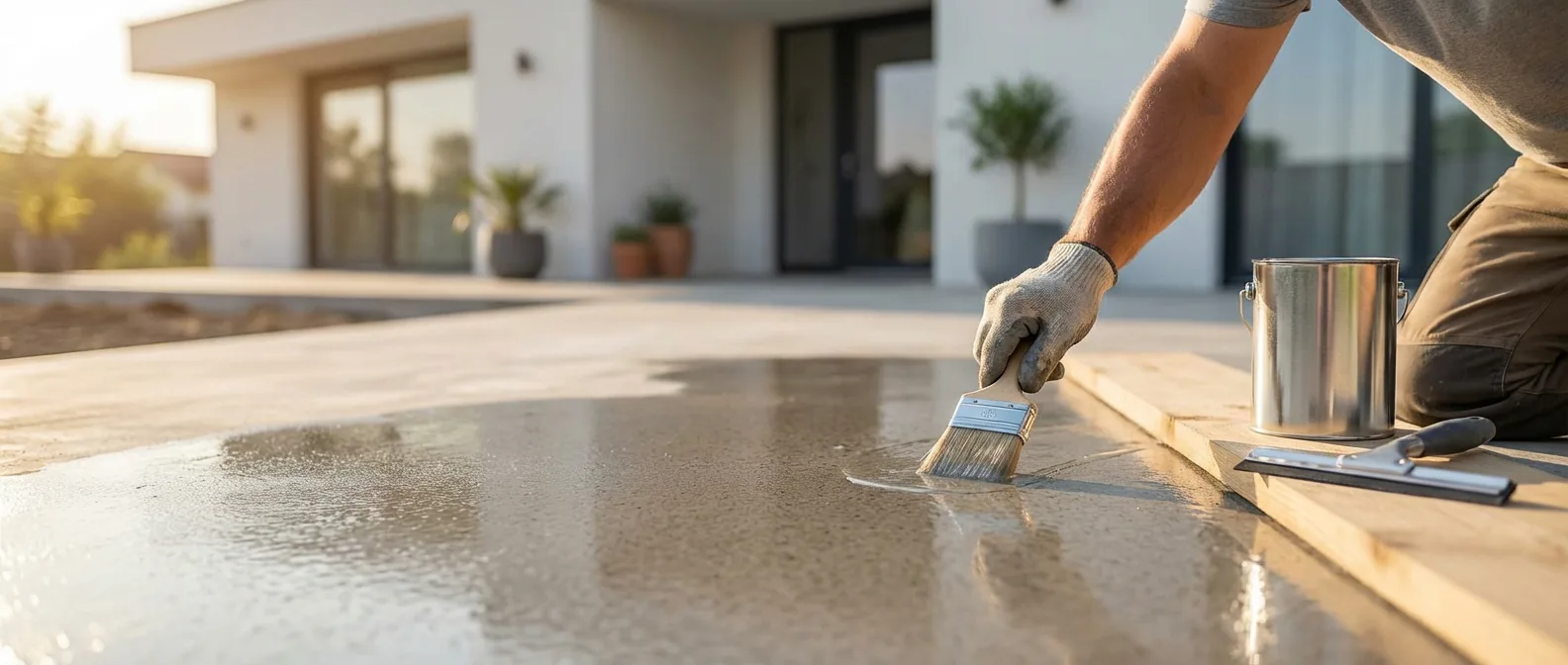
Choosing the best concrete sealer is a crucial decision for protecting and enhancing your concrete surfaces. From penetrating options that preserve breathability to high gloss concrete sealers that offer aesthetic appeal, understanding the various sealer types and their specific uses can dramatically extend the life and appearance of your floors and outdoor installations. This comprehensive guide dives into every major sealer types pillar, clarifying their benefits, typical lifespan, and application contexts—tailored for Melbourne Northern Suburb conditions and beyond, effective through 2026.
Overview of Concrete Sealer Types: Foundations for Smart Selection
What is a Concrete Sealer? Definition and Purpose
A concrete sealer is a protective coating designed to penetrate or form a surface barrier on concrete, preventing damage from water, chemicals, abrasion, and environmental factors. Its primary role is to enhance durability, reduce staining, and sometimes improve appearance by altering the surface finish. Depending on the formulation, sealers can either penetrate the concrete matrix or form a visible film on the surface, offering varied degrees of protection and aesthetic enhancement.
Classification: Surface Sealers vs. Penetrating Sealers
Concrete sealers broadly fall into two categories:
- Penetrating Concrete Sealers: These seep into the concrete pores to chemically react or block moisture pathways. Examples include silane, siloxane, siliconate, and fluoride-based sealers. They leave no visible film and maintain the natural look and breathability of the concrete surface.
- Surface Sealers: These form a protective layer on top of the concrete, offering various finishes such as clear concrete sealer, high gloss concrete sealer, or matte. They include epoxy concrete sealers, acrylics (water-based or solvent-based), polyurethane, and polyaspartic coatings.
Understanding this classification is vital because it affects the sealing concrete floors approach, aesthetic outcomes, and maintenance.
Key Factors to Consider When Choosing a Sealer Type (Surface type, environment, finish)
When selecting a good concrete sealer, consider these factors:
- Surface Type: Is the concrete polished, porous, or rough? For example, polished concrete sealer often requires different chemistry than concrete driveways.
- Environment: Indoor floors vs. outdoor concrete sealer; climate exposure, UV intensity, and traffic load will dictate sealer performance needs.
- Finish Requirements: Do you want a gloss concrete sealer for shine or a matte protective coat? Options like high gloss concrete sealer deliver aesthetic enhancement but may have durability trade-offs outdoors.
In Melbourne, regional factors such as local weather and concreting materials should guide your choice to ensure optimal results. Choosing the right sealer is critical, especially when protecting coloured concrete driveway finishes in Melbourne, where aesthetic and durability demands are high.
Penetrating Concrete Sealers: In-Depth Analysis
Types of Penetrating Sealers (Silane, Siloxane, Siliconate, Fluoride-based)
Penetrating concrete sealer varieties work by absorbing into the concrete matrix and creating a water-repellent barrier without forming a surface film. Key types include:
- Silane Sealers: Low molecular weight molecules that deeply penetrate concrete pores to block water ingress effectively. Commonly used in outdoor environments for moisture resistance.
- Siloxane Sealers: Larger molecules than silanes, better sealing larger pores. Ideal for protecting exterior walls and patios.
- Siliconate Sealers: React chemically with concrete to form a dense hydrophobic layer, often used where durability and water resistance are crucial.
- Fluoride-based Sealers: Provide advanced water and salt repellency, especially useful in high salt-exposure areas or freeze-thaw cycles.
Uses and Ideal Applications for Penetrating Concrete Sealers
Penetrating sealers excel in protecting concrete surface sealer applications where breathability is crucial. Typical uses include:
- Driveways, sidewalks, and outdoor paving in Melbourne’s weather.
- Industrial floors exposed to chemical or salt damage.
- Concrete pillars and walls where visible coatings are undesirable but protection is essential.
- Enhancing water repellency in concrete sealer Australia regional applications.
Advantages and Disadvantages
- Advantages: Retains concrete’s natural appearance and breathability; highly durable; effective water and chemical repellency.
- Disadvantages: Does not enhance surface gloss or colour depth; less effective against abrasion or surface stains compared to film-forming sealers.
Typical Lifespan and Durability Factors
Lifespan depends on traffic and environmental exposure. Typically, penetrating sealers last between 5-15 years. Factors influencing longevity include:
- Concrete porosity and age—older or highly porous concrete absorbs sealers differently.
- UV exposure and weather conditions.
- Surface abrasion from foot or vehicle traffic.
These sealers require less frequent maintenance due to deep chemical action penetrating the substrate rather than film wear.
Surface Concrete Sealers: Clear & Gloss Finishes Explored
Acrylic Sealers: Water-Based vs Solvent-Based
Acrylic concrete sealer comes in both solvent based concrete sealer and water-based formulas, each with distinct characteristics:
- Water-Based Acrylics: Eco-friendlier with low volatile organic compounds (VOCs), easier cleanup, and suitable for indoor floor sealant for concrete floors. They offer moderate protection and a matte to satin finish.
- Solvent-Based Acrylics: Provide more robust protection and deeper gloss with longer-lasting film properties. However, they have higher VOC contents and require more careful ventilation.
Epoxy Concrete Sealers: Characteristics and Use Cases
Epoxy concrete sealer is a high-performance, two-component coating that provides a dense, hard surface for concrete floor sealer applications, especially in commercial and industrial settings. Benefits include:
- Excellent chemical resistance.
- Strong adhesion and high gloss finish.
- Durability against abrasion.
Less suitable for outdoor use due to UV degradation unless specifically UV-stabilized.
For a detailed comparison of epoxy, acrylic, and polyurethane concrete sealers compared, see our in-depth driveway showdown article.
Polyurethane and Polyaspartic Sealers: High Performance & Gloss Options
Polyurethane and polyaspartic sealers are advanced high gloss coatings offering:
- Superior abrasion and chemical resistance.
- Flexible and impact-resistant films.
- Faster curing times, which can support same day concrete sealer or next day concrete sealer applications.
These are ideal for high traffic indoor floors demanding a durable shine.
Gloss Levels: High Gloss Concrete Sealer vs Matte Finishes
Basic finish categories for clear concrete sealer include high gloss, semi-gloss, satin, and matte. Each affects aesthetics and maintenance:
- High Gloss Concrete Sealer: Enhances colour vibrancy and reflectivity but may highlight surface imperfections and be slippery when wet outdoors.
- Matte or Satin: Offers subtle finish with less glare and better traction, common in outdoor or industrial spaces.
Lifespan and Maintenance Considerations
Surface sealers generally have shorter lifespans than penetrating types. For instance:
| Sealer Type | Typical Lifespan (Years) | Maintenance Frequency |
|---|---|---|
| Acrylic (Water-Based) | 2–5 | Annual reapplication common |
| Acrylic (Solvent-Based) | 3–7 | Every 2–3 years |
| Epoxy | 5–10 | Recoat every 5 years, depending on wear |
| Polyurethane/Polyaspartic | 7–12 | Recoat every 5–7 years |
Proper maintenance such as cleaning and minor repairs extends lifespan. However, surface wear and UV exposure reduce gloss and protection over time.
Specialty Sealers and Their Specific Roles
Polished Concrete Sealer: Enhancing Floor Aesthetics and Protection
Polished concrete sealer is designed to protect the high-sheen finish of mechanically polished floors. These sealers often combine protective and enhancing properties without altering the concrete’s smooth, reflective finish. They are commonly used indoors in commercial lobbies and high-traffic retail spaces.
Concrete Paint Sealers and Cement Sealers: Protection with Color
Concrete paint sealer products act both as a colourant and protector. These are ideal for decorative finishes on patios, driveways, or walls, where aesthetic appeal combines with weather resistance. Cement sealers work similarly by penetrating and protecting cementitious materials.
Selecting the best sealer options for concrete pavers can vary by desired finish and protection level.
Outdoor Concrete Sealers: Weather Resistance and UV Protection
Outdoor sealers must withstand rain, UV exposure, freeze-thaw cycles, and foot/vehicle traffic. Outdoor concrete sealer options typically include penetrating sealers and UV-stabilized surface sealers. Silane and siloxane sealers dominate for water resistance, while polyurethane or acrylic formulations may offer added colour and surface protection.
Floor Sealant for Concrete Floors: Indoor vs Outdoor Use Cases
Choosing the appropriate floor sealant depends on location:
- Indoor floors often require high gloss, chemical resistance, and smooth finishes, such as epoxy or polyaspartic sealers.
- Outdoor floors prioritize weather durability and water repellency, favouring penetrating sealers or specialized outdoor acrylics.
Matching sealer properties to use cases ensures protection aligns with environment demands.
Application Context and Environmental Considerations
Best Concrete Sealer for Different Environments (Residential, Commercial, Industrial)
Each environment has particular performance needs:
- Residential: Often prioritizes appearance and moderate protection. Acrylic concrete sealers and penetrating sealers suit patios, driveways, and indoor concrete.
- Commercial: Requires high durability and chemical resistance for floors. Epoxy and polyurethane sealers are common.
- Industrial: Expects heavy abrasion and chemical exposure resistance—polyurethane and penetrating siliconate sealers dominate.
Solvent Based Concrete Sealer vs Water Based: Environmental Impact & Regulations
There is growing demand for low-VOC products due to health and environmental concerns. Solvent based concrete sealer generally contains higher VOC levels and requires stringent handling and ventilation guidelines. Conversely, water-based sealers have reduced environmental impact, aligning with Australian environmental standards enforced by agencies such as EPA Victoria.
Concrete Sealer Australia: Availability, Regional Preferences, and Standards
Australia offers a broad range of sealers, many formulated to comply with local climate and regulatory standards (e.g., AS 4858 for sealers). Regional preferences in Melbourne’s Northern Suburbs often lean toward penetrating sealers for exterior use due to frequent wet conditions and UV exposure. For advice on colored concrete finishes suited to Melbourne, consult our best coloured concrete driveway options guide.
Need practical guidance? Check our comprehensive how to seal a concrete driveway step-by-step article for expert tips.
Same Day vs Next Day Concrete Sealer Application: Feasibility and Limitations
Fast-curing products such as polyaspartic sealers allow for same day concrete sealer applications, minimizing downtime in commercial settings. However, climatic conditions and substrate preparation heavily influence drying and curing times. Water-based sealers often require longer cure periods, sometimes necessitating a next day concrete sealer application schedule. Proper timing is critical to ensure adhesion and longevity.
Lifespan and Durability of Concrete Sealers: What to Expect
Factors Affecting Sealer Longevity (Traffic, Sun Exposure, Moisture)
Sealer lifespan depends on:
- Traffic: Frequent foot or vehicle movement accelerates wear, especially on surface sealers.
- Sun Exposure: UV rays degrade some sealers (notably epoxy) leading to yellowing or brittleness.
- Moisture and Chemicals: Penetrating sealers resist water better; surface coatings may deteriorate from spills or freeze-thaw cycles.
Comparison Table: Typical Lifespan of Common Sealer Types
| Sealer Type | Estimated Lifespan (Years) | Best Environment |
|---|---|---|
| Penetrating (Silane, Siloxane) | 5–15 | Outdoor, high moisture areas |
| Acrylic (Water-Based) | 2–5 | Indoor, low traffic |
| Acrylic (Solvent-Based) | 3–7 | Indoor/Outdoor, moderate traffic |
| Epoxy | 5–10 | Indoor commercial/industrial |
| Polyurethane/Polyaspartic | 7–12 | Indoor high traffic |
Understanding concrete sealer drying times and curing process ensures optimal application and durability.
Signs a Concrete Surface Sealer Needs Reapplication
- Dull or faded appearance, especially for high gloss concrete sealer.
- Peeling, cracking, or flaking on the surface.
- Increased water absorption or staining.
- Surface becomes slippery or loses traction.
Maintenance Tips to Extend Lifespan
- Clean regularly to remove dirt and chemicals.
- Promptly repair cracks or chips.
- Avoid harsh chemicals unless the sealer is chemically resistant.
- Inspect periodically during seasonal changes.
Choosing the Right Concrete Sealer: Decision-Making Framework
Matching Sealer Types to Concrete Surface Conditions and Use Cases
The choice depends primarily on whether you prioritize breathability, appearance, durability, or speed of application. For porous outdoor concrete requiring moisture protection—select a penetrating concrete sealer. For indoor floors needing a shiny finish with chemical resistance, consider an epoxy or polyurethane sealer.
Need practical guidance? Check our comprehensive how to seal a concrete driveway step-by-step article for expert tips.
Gloss Level Preferences and Aesthetic Requirements
If your goal is a shiny, decorative surface, high gloss concrete sealer provides the desired aesthetic but may require thicker maintenance. For functional or industrial settings, lower gloss or matte concrete surface sealer options reduce glare and improve safety.
Cost vs Performance Trade-offs
Penetrating sealers typically cost more upfront but last longer and need less maintenance. Surface coatings vary widely in price and performance; water-based acrylic sealers are budget-friendly but need frequent recoating, while polyurethanes and epoxies demand higher initial investment for superior durability.
Summary Chart: Sealer Types, Uses, Pros/Cons, and Lifespan
| Sealer Type | Use Cases | Pros | Cons | Typical Lifespan |
|---|---|---|---|---|
| Penetrating (Silane, Siloxane) | Outdoor concrete, pillars, driveways | Retains breathability, durable, natural look | No gloss, less stain resistance | 5–15 years |
| Acrylic (Water-Based) | Indoor floors, patios | Low VOC, easy application | Short lifespan, lower protection | 2–5 years |
| Acrylic (Solvent-Based) | Indoor and moderate outdoor | Better gloss and protection | Higher VOC, requires ventilation | 3–7 years |
| Epoxy | Commercial floors, warehouses | Strong, chemical resistant | UV sensitive, can yellow | 5–10 years |
| Polyurethane/Polyaspartic | High traffic commercial floors | Durable, glossy, flexible | Higher cost | 7–12 years |
Frequently Asked Questions (FAQs) on Sealer Types Pillar
Can different sealer types be combined for enhanced protection?
Layering penetrating and surface sealers is possible but requires careful compatibility checks. For example, applying a penetrating sealer before a surface epoxy can enhance water repellency without sacrificing gloss. However, incompatible layers may cause peeling or adhesion failure.
How does concrete porosity affect sealer choice?
Concrete porosity determines how deeply penetrating sealers absorb and bond. Highly porous concrete may absorb excessive sealer, reducing effectiveness and increasing costs. Surface sealers can mask porosity but risk trapping moisture if concrete isn’t sufficiently dry or cured.
Are high gloss sealers suitable for outdoor concrete surfaces?
Generally, high gloss sealers like epoxy degrade faster outdoors due to UV exposure and thermal expansion, leading to yellowing and cracking. UV-stabilized polyurethanes or penetrating sealers with surface coatings are more suitable for outdoor gloss applications.
What are the environmental and safety considerations for solvent-based sealers?
Solvent-based sealers emit higher levels of VOCs, posing health risks during application and requiring ventilation controls. They may not be permitted in certain areas due to environmental regulations. Water-based alternatives are safer and increasingly preferred under Australian standards.
How often should polished concrete sealers be reapplied to maintain shine?
Polished concrete sealers usually require reapplication every 2 to 5 years, depending on traffic and cleaning practices. Regular maintenance with appropriate cleaners can extend this interval by preventing surface wear and dulling.
Frequently Asked Questions
What factors influence the choice between penetrating and surface concrete sealers?
The choice depends on concrete porosity, desired appearance, and exposure conditions. Penetrating sealers preserve breathability and natural look, ideal for outdoor use. Surface sealers offer gloss and colour enhancement, suited for indoor floors or decorative surfaces but may reduce vapor permeability.
How do water-based and solvent-based concrete sealers compare in durability and environmental impact?
Water-based sealers have lower VOCs and less environmental impact but generally need more frequent reapplication. Solvent-based sealers offer longer-lasting protection and deeper gloss but emit higher VOCs, requiring ventilation and careful handling.
Can epoxy concrete sealers be used effectively for outdoor concrete surfaces?
Epoxy sealers are not ideal for outdoor concrete due to UV sensitivity, which causes yellowing and cracking. UV-stabilized alternatives like polyurethane or penetrating sealers perform better outdoors with improved durability.
When is a polished concrete sealer preferred over other sealer types?
Polished concrete sealers are preferred for protecting mechanically polished floors that require a smooth, high-sheen finish. They maintain gloss without altering texture, ideal for commercial lobbies and high-traffic interior spaces.
Which sealer types are best suited for high-traffic industrial concrete floors?
High-traffic industrial floors benefit from polyurethane or penetrating siliconate sealers due to superior abrasion, chemical resistance, and flexibility, offering long-lasting protection under heavy wear.
Why is concrete porosity an important consideration when selecting a sealer type?
Concrete porosity affects sealer absorption and effectiveness. Highly porous surfaces may absorb excess sealer, increasing cost and reducing performance. Surface sealers can mask porosity but risk trapping moisture if concrete isn’t fully cured.
How does gloss level impact the maintenance and safety of sealed concrete floors?
High gloss sealers enhance colour and shine but require frequent maintenance and can be slippery when wet. Matte or satin finishes reduce glare and improve traction, making them safer for industrial or outdoor areas.
Is it beneficial to combine different sealer types on the same concrete surface?
Combining penetrating and surface sealers can improve protection and aesthetic if layers are compatible. For example, applying a penetrating sealer before a surface topcoat enhances water repellency while preserving gloss, but incompatible layers may cause adhesion failure.