
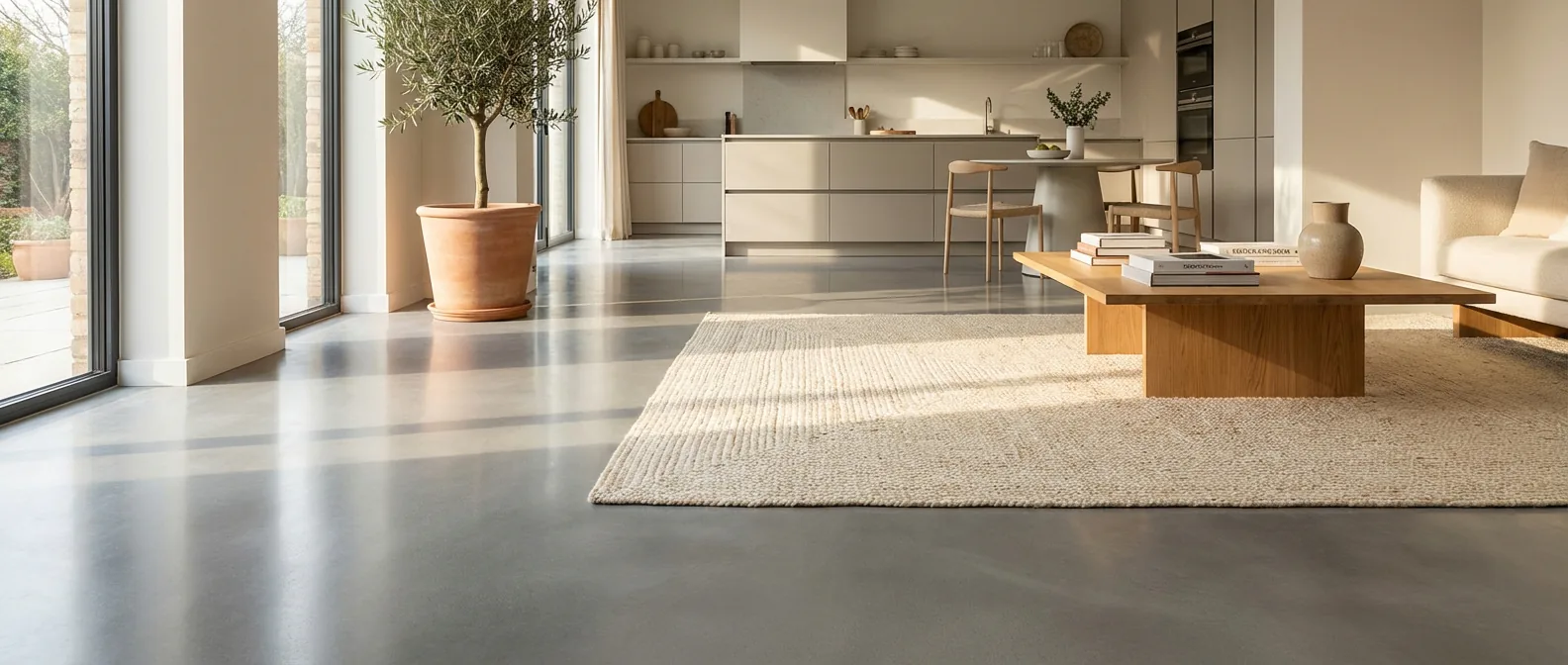
Polished floors pillar knowledge is essential for anyone considering polished concrete floors as a durable, stylish flooring solution in 2026. This comprehensive guide unpacks the latest polished concrete costs, examines diverse polished concrete finishes, and shares expert tips for effective floor maintenance. Whether you are a homeowner in Melbourne’s northern suburbs, a commercial property manager, or an industrial facility planner, understanding these facets empowers informed decisions and maximises your investment in quality concrete flooring.
Understanding Polished Concrete Floors: Material & Methods
What is Polished Concrete? Definition and Overview
Polished concrete is a flooring solution created by mechanically grinding and polishing a concrete surface to achieve a smooth, reflective finish. Unlike other floor types, it utilises the existing concrete slab as the final surface. This process enhances the concrete’s durability and aesthetic appeal, offering options that range from a soft matte sheen to a high-gloss mirror finish, commonly referred to as shiny concrete.
Key benefits include low maintenance, long lifespan, and environmental friendliness due to using existing materials without requiring additional flooring layers.
Polished Cement vs. Polished Concrete: Key Differences
While often used interchangeably, polished cement and polished concrete have subtle distinctions. Polished cement typically refers to a finishing process on a cementitious overlay or a thinner cement-rich layer applied onto substrates or surfaces. In contrast, polished concrete involves treating the actual concrete slab itself. Polished cement finishes may be more suitable for aesthetic overlays or areas where the existing slab is unsuitable for direct polishing.
Mechanically Polished Concrete: The Process Explained
Mechanically polished concrete involves several stages, including grinding, honing, and polishing concrete surfaces using diamond grinding tools and burnishers. Initially, coarse diamond grinding wheels remove surface imperfections and level the slab. Successive passes with finer diamond grit progressively enhance smoothness. The final polishing stage applies a high-gloss finish, often sealed with acrylic or penetrating sealants to improve stain resistance and sheen longevity.
Professional equipment is essential to achieving optimal results, with key concrete polishing tools including diamond grinding wheels of varying grits and burnishers that generate heat to activate densifiers and sealants effectively.
Common Applications: Residential, Commercial, and Industrial Uses
Residential polished concrete floors have surged in popularity for modern homes, offering a sleek look with practical benefits in high-traffic areas like living rooms and hallways. In commercial settings, polished concrete floors are favoured for their durability and ability to withstand heavy foot traffic, suitable for retail shops and offices. Industrial polished concrete floors are engineered for maximum wear resistance and ease of cleaning, ideal for warehouses and manufacturing plants.
Polished concrete outside, such as on patios and driveways, offers a weather-resistant and attractive surface, extending concrete’s use beyond indoors into outdoor polished concrete applications.
Understanding these foundational aspects sets the stage for analyzing cost factors and finishes, directly impacting project feasibility and visual outcomes.
Polished Concrete Floors Cost Analysis (2026 Update)
Polished Concrete Floors Cost Per Square Meter (and Sqft)
As of 2026, typical polished concrete floors cost per sqm in Melbourne Northern Suburbs ranges between AUD $90 to $160 depending on finish level and site complexity. Average pricing per square foot converts to roughly AUD $8.40 to $15, factoring in labour, materials, and surface preparation.
| Finish Level | Cost per sqm (AUD) | Description |
|---|---|---|
| Basic Polish | $90 – $110 | Matte finish with minimal grinding; suitable for residential floors |
| Mid-Level Polish | $110 – $140 | Higher gloss, moderate grinding with densifier application |
| High-Gloss / Specialty Finish | $140 – $160+ | Mirror finish, acid stains or metallic dyes included; commercial or designer floors |
Factors Influencing Polished Concrete Price (Material, Labor, Site Conditions)
The polished concrete price varies widely based on multiple factors:
- Concrete slab condition: Old or damaged slabs needing extensive repair raise costs.
- Site accessibility: Tight or complex access may increase labour time.
- Finish choice: High-gloss or decorative finishes are pricier due to extra steps and materials.
- Size and complexity: Floor layout complexity impacts labour effort and equipment needs.
- Additional treatments: Use of sealants, densifiers, or special stains adds to overall expense.
Contractors usually factor these based on inspections; newly poured slabs typically cost less to polish than older, more complex surfaces.
Comparing Polished Concrete Cost to Other Flooring Options
In comparison to other flooring options like tile, timber, or epoxy coatings, polished concrete sits mid to high in pricing but excels in durability and maintenance cost efficiency over time. Tiles may cost less initially but require more upkeep. Wood floors offer style but are susceptible to scratches and moisture damage, unlike polished cement floors which are highly resilient.
Is Polished Concrete Expensive? Budgeting for Residential and Commercial Projects
Answering “is polished concrete expensive?” depends on perspective. For the initial investment, polished concrete can seem premium relative to basic finishing but offers long-term savings through minimal repairs and cleaning. For residential polished concrete projects, budgets should also consider aesthetic upgrades like dyes or textures. In contrast, commercial polished concrete floors justify cost by meeting stringent durability standards and reducing disruption.
Budgets must incorporate overheads such as sealing and annual maintenance to realise full value and project longevity effectively.
With cost factors demystified, selecting the right finish type is the next important step.
Types of Polished Concrete Finishes and Their Aesthetic & Functional Benefits
Matte vs. Glossy Polished Concrete Finishes: Visual and Practical Differences
Matte finish polished concrete offers a subtle sheen with low reflectivity, ideal for understated, modern aesthetics requiring low slip risk. Glossy finishes are highly reflective, producing a shiny concrete surface that emphasises light and space. However, glossy surfaces can be more prone to showing scratches and may feel slippery when wet.
| Finish | Appearance | Slip Resistance | Ideal Use |
|---|---|---|---|
| Matte | Low to medium sheen, soft look | Higher slip resistance | Residential bedrooms, living rooms |
| Glossy | High sheen, mirror-like | Moderate slip resistance (depends on sealant) | Commercial lobbies, display areas |
Specialty Finishes: Acid Staining, Dyes, and Metallic Finishes
Beyond traditional polishing, contemporary polished concrete finishes integrate specialty treatments:
- Acid staining brings variegated, natural earth tones into the surface, unique for each application.
- Dyes and metallic formulations produce vibrant or pearlescent colours, enhancing design opportunities especially for feature floors.
- These finishes require skilled application and slightly higher maintenance to preserve their appearance.
Shiny Concrete and High-Gloss Finishes: Trends and Technologies in 2026
Recent advancements in polishing technologies and sealants have made ultra-high-gloss finishes more durable and easier to maintain. New smart sealants with nano-coatings improve scratch resistance and hydrophobic properties, keeping shiny concrete floors looking fresh longer. Many 2026 design trends favour mixing finishes, such as soft matte walking areas combined with glossy architectural features, balancing functionality and style.
Outdoor & Specialty Applications: Polished Concrete Patio, Bathroom, and Kitchen Floor Finishes
While detailed room-specific finishes are addressed in dedicated guides, brief notes on common outdoor and specialty uses apply here. Outdoor polished concrete, like patios and walkways, often use matte or textured finishes to enhance slip resistance and weather durability. Kitchens and bathrooms require sealed floors that resist moisture and staining, linking finish choice to practical care.
For more design-focused details on polished concrete in homes including kitchens and bathrooms see the polished concrete in homes including kitchens and bathrooms guide.
Understanding finishes leads naturally to how best to maintain these floors.
Maintenance and Care for Polished Concrete Floors
Daily and Periodic Cleaning Best Practices
Polished concrete floors are prized for low-maintenance demands. Routine care involves simple dust mopping or vacuuming to remove grit that can cause abrasion. Periodically, a damp mop with pH-neutral cleaners — specifically formulated for polished surfaces — helps maintain gloss without damage.
Avoid acidic or abrasive cleaners as they degrade the finish and shorten lifespan.
Recommended Sealants and Cleaning Products for Longevity
Applying a quality penetrating sealant for polished concrete post-installation is critical to protect against staining and enhance durability. Products containing densifiers harden surfaces internally while topical sealants add a protective film. Recently, eco-friendly, low-VOC sealants and cleaners have gained traction in residential and commercial use.
Repairing Scratches, Dull Spots, and Surface Damage
Over time, floors may develop minor scratches or dull patches, especially in high-traffic zones. Re-polishing with finer diamond pads can restore shine without full refinishing. For deep damage, professional grinding and resealing may be necessary. Preventive measures include using floor mats at entry points and soft furniture pads.
Expert Tips for Maintaining Shine and Durability Over Time
- Schedule annual professional inspections and maintenance to assess surface condition.
- Use microfiber dust mops daily to avoid micro-scratches from debris.
- Immediately clean spills to prevent staining, particularly for specialty finishes.
- Choose maintenance products recommended by concrete polish manufacturers.
Periodic care protects your investment and maximizes lifespan, whether for polished concrete floors in homes or industrial environments.
Homeowners often inquire about polished concrete applications in living areas; for detailed insights on polished concrete in kitchens, bathrooms, and outdoor home spaces, see our dedicated guide on polished concrete in homes—including kitchens and bathrooms.
Having grasped maintenance essentials, comparing usage contexts deepens understanding of cost and care implications.
Residential vs. Commercial & Industrial Polished Concrete Floors: Cost and Care Differences
Unique Challenges and Costs in Residential Polished Concrete Floors
Residential polished concrete floors usually prioritise aesthetics and comfort alongside durability. Residential projects often feature decorative finishes or integration with underfloor heating systems, which influence polished concrete residential floors cost. Homeowners demand less abrasive impacts but seek stylistic flooring that harmonises with living spaces.
Commercial Polished Concrete Floors: Heavy Traffic and Durability Considerations
Commercial settings require flooring that withstands continuous foot traffic, equipment movement, and possible chemical exposure. Consequently, commercial floors may use tougher sealers and higher-grade polishing to increase surface hardness and abrasion resistance. Pricing reflects these enhanced specifications, with commercial polishing running at the upper end of typical polished concrete floors cost per sqm.
Industrial Polished Concrete: Specifications, Performance, and Cost Implications
Industrial floors are engineered for maximum performance, focusing on impact resistance, high compressive strength, and ease of cleaning contaminants. These floors often require custom densifiers, heavy-duty mechanical polishing, and chemical-resistant treatments impacting industrial polished concrete price points significantly. Industrial maintenance protocols also differ, involving harsher chemicals and specialized cleaning equipment.
Case Study Summary: Cost Comparison Across Applications (to illustrate differences—not deep projects)
| Application | Average Cost per sqm (AUD) | Typical Maintenance | Life Expectancy (Years) |
|---|---|---|---|
| Residential | $90 – $130 | Yearly sealing, regular cleaning | 15 – 25 |
| Commercial | $120 – $160 | Frequent cleaning, periodic re-sealing | 20 – 30 |
| Industrial | $140 – $180+ | Specialized cleaning, heavy-duty resealing | 25 – 40 |
Deciding on polished concrete floor house or commercial options depends on weighing upfront costs against anticipated use and maintenance plans. For insights on garage floor epoxy vs polished longevity comparison see garage floor epoxy vs polished longevity comparison.
Outdoor Polished Concrete: Costs, Finishes & Maintenance
Polished Concrete for Patios, Driveways, and Outdoor Surfaces
Polished concrete patio and other outdoor polished concrete areas face unique challenges including weather exposure, UV light, and moisture. Finishes for outdoor use typically favour matte or textured surfaces for enhanced slip resistance and durability. For those considering polished concrete driveways, exploring the best coloured concrete driveway options in Melbourne offers additional aesthetic and durable solutions tailored to outdoor use.
Outdoor polished concrete costs often exceed indoor prices by roughly 10-20% due to sealants and treatments designed to resist thermal cycling and moisture ingress.
Weather Resistance and Suitable Finishes for Outdoor Use
To endure Melbourne’s northern suburban climate, polished concrete outside requires sealants with UV stabilizers and hydrophobic qualities. Acid staining and dye finishes should be chosen carefully for fade resistance. Matte finishes reduce glare and water pooling risks on patios and driveways.
Cost Considerations vs. Indoor Polished Floors
Outdoor finishes may cost AUD $10–$20 more per sqm than typical indoor polished concrete price ranges due to enhanced sealing and preparation. Surface preparation for outdoor influence cost too, especially when dealing with uneven driveways.
Maintenance Challenges and Solutions for Outdoor Polished Concrete
- Regular debris removal prevents grit grinding into the surface.
- Seasonal resealing is recommended to protect against weather wear.
- Use of non-corrosive, pH-neutral cleaners prevents surface damage.
For further ideas on complementary materials for driveways, including coloured concrete, visit coloured concrete driveway options in Melbourne.
With outdoor concerns addressed, looking ahead reveals what innovations 2026 brings to polished concrete technology.
Latest Trends and Innovations in Polished Concrete Floors for 2026
New Polishing Technologies and Tools (Diamond Grinding Wheels, Burnishers)
Recent improvements in diamond grinding wheels have increased efficiency and surface quality. The introduction of multi-segmented grinding heads with variable grit sizes allows for faster transitions between polishing phases. Burnishers now incorporate automation and vibration reduction, delivering consistent finishes while lowering operator fatigue.
Eco-Friendly and Sustainable Polished Concrete Options
Driven by environmental considerations, eco-conscious mixes use supplementary cementitious materials to reduce carbon footprint without compromising durability. Low-VOC sealants and bio-based cleaners align with green building certifications increasingly popular in both residential and commercial construction.
Smart Sealants and Maintenance Products Enhancing Durability
Smart sealants integrating nano-technology provide superior abrasion and stain resistance, reduce water absorption, and make floors easier to clean. These advances extend maintenance intervals and help retain gloss longer.
Integration with Underfloor Heating and Sound Insulation
Polished concrete floors combine well with underfloor heating systems, providing efficient heat conduction and energy savings. New insulating underlayers and soundproofing aggregates mitigate concrete’s natural hardness and echo tendencies, improving residential floor comfort.
Innovations in coloured finishes also complement these trends, with innovations in coloured concrete finishes expanding aesthetic possibilities.
Frequently Asked Questions (FAQs) About Polished Concrete Floors
How much does polished concrete cost per square meter in 2026?
Prices typically range from AUD $90 to $160 per square meter, depending on finish quality, site conditions, and project size. Cost can increase with specialty finishes or site preparation requirements (Industry Cost Report, 2026).
Are polished concrete floors slippery when wet?
Slip resistance depends on finish and sealant. Matte and textured finishes offer higher traction. Glossy polished floors may be slippery when wet unless treated with anti-slip sealants or surface additives conforming to Australian slip resistance standards.
What is the lifespan of polished concrete floors?
With proper care, polished concrete floors last 20-40 years depending on traffic intensity, maintenance frequency, and finish type.
Can polished concrete be installed outdoors?
Yes, outdoor polished concrete applications require suitable weather-resistant finishes and sealants to protect from thermal and moisture effects. Slipperiness and UV exposure are critical considerations driving finish selection.
How to choose the right finish for my home or commercial space?
Consider the balance between aesthetics, maintenance, and slip resistance. Homes may prioritise warmer, matte finishes with moderate sheen, while commercial spaces often require highly durable, glossy surfaces with easy upkeep. Consult with flooring specialists familiar with local climate and use cases for the best outcome.
Frequently Asked Questions
What are the main differences between polished cement and polished concrete?
Polished cement refers to a finish on a thin cement overlay or surface layer, while polished concrete involves grinding and polishing the actual concrete slab. Polished cement is often used for aesthetic overlays or when the slab is unsuitable for direct polishing, whereas polished concrete enhances and finishes the existing slab.
How does mechanically polished concrete improve floor durability?
Mechanically polished concrete uses diamond grinding and burnishing to smooth the surface and densify it with sealants. This process increases hardness, reduces porosity, and creates a resistant surface that withstands scratches, stains, and heavy traffic, significantly extending the floor’s lifespan.
Why might polished concrete be a better investment than hardwood flooring?
Polished concrete offers superior durability, is moisture resistant, and requires less maintenance than hardwood. It resists scratches and stains better and has a longer lifespan, making it cost-effective over time despite a higher initial price compared to timber flooring.
Is polished concrete suitable for outdoor patios compared to traditional pavers?
Yes, polished concrete patios with matte or textured finishes provide weather resistance, slip safety, and durability that can outperform traditional pavers. However, polished concrete requires specialized sealants to protect against UV and moisture damage common in outdoor environments.
Which polished concrete finish offers the best slip resistance?
Matte and textured polished concrete finishes deliver the highest slip resistance, ideal for residential and outdoor areas. Glossy finishes tend to be more slippery when wet unless treated with anti-slip additives or sealants designed to improve traction.
How do cost factors vary between residential and industrial polished concrete floors?
Residential floors focus on aesthetics with mid-range pricing ($90–$130/sqm), while industrial floors require heavy-duty polishing, specialized sealants, and higher durability, raising costs ($140–$180+/sqm). Industrial polishing costs reflect stricter performance needs and more intensive maintenance.
When should a polished concrete floor be resealed or re-polished?
Floor resealing is typically recommended annually to maintain protection and gloss. Re-polishing is needed when visible dull spots or scratches appear, which can vary from 3 to 10 years depending on traffic, finish type, and maintenance practices.
Can polished concrete floors be customized with colors or patterns?
Yes, polished concrete can be customized using acid staining, dyes, metallic finishes, or overlays. These options create unique color variations and patterns, enhancing design flexibility while maintaining the floor’s durability and polished surface qualities.