
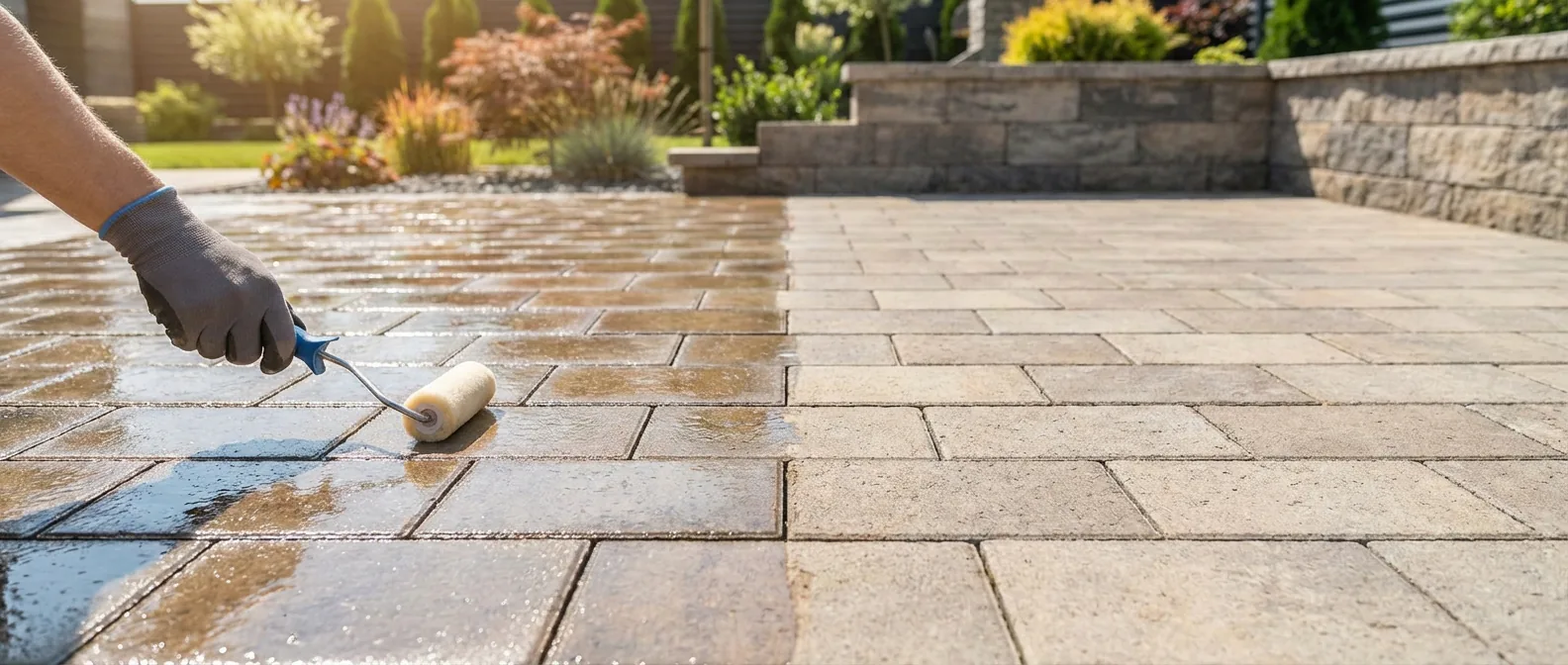
Choosing the best paver sealing option for your concrete pavers is crucial for preserving both their appearance and durability, especially in Melbourne’s Northern Suburbs where climate and usage vary. This guide dives deep into the two dominant sealing types—wet look sealer and penetrating sealer—offering an expert-backed, comprehensive comparison tailored to the unique environmental and functional demands of concrete paving.
Understanding Paver Sealing: Purpose and Basics
What is Paver Sealing and Why It Matters
Paver sealing involves applying a protective coating or treatment to concrete pavers to enhance their resistance to water, stains, weathering, and traffic wear. This surface protection benefits concrete pavement by reducing absorption of moisture and contaminants, thereby preventing damage such as cracking, spalling, and efflorescence. In Melbourne’s Northern Suburbs, where seasonal rain and UV exposure are significant, sealing concrete pavers extends their lifespan and maintains aesthetic appeal.
Sealing also simplifies cleaning and maintenance, allowing homeowners and contractors to preserve paved areas efficiently.
Types of Sealers Used Specifically for Concrete Pavers
Pavers require sealers formulated for their porous, textured surface. Unlike asphalt or smooth concrete drives, concrete pavers’ individual joints and surface roughness mean sealers must perform well with penetration and adhesion. The two main categories are:
- Wet look sealers: Film-forming coatings that enhance colour depth and provide a glossy finish.
- Penetrating sealers: Absorbed into the pores, offering natural finish protection without altering the surface sheen.
Besides these, there are also paver clear sealers that emphasize transparency and longevity without colour change, but wet look and penetrating sealers dominate selections for visual and protective needs.
How Concrete Pavers Differ from Other Pavements in Sealing Needs
Concrete pavers differ from other pavements like poured concrete slabs or natural stone due to their distinct porosity and installed joints. This porosity affects moisture absorption and sealer uptake, while joints invite weed growth and dirt accumulation if unprotected. Thus, sealing these surfaces requires solutions that either protect the surface layer effectively (wet look) or fortify internally without trapping moisture (penetrating).
Moreover, concrete pavers often face higher foot and vehicular traffic which influences sealer choice, as durability and slip resistance remain critical.
Understanding these fundamentals sets the stage to explore the pros, cons, and applications of each sealer type.
For insights on related sealing practices, also explore coloured concrete driveway options in Melbourne.
Wet Look Sealer for Concrete Pavers: Features, Benefits, and Drawbacks
What is a Wet Look Sealer and How It Works on Concrete Pavers
A wet look sealer (also called wet look coating) is a film-forming paver sealer that coats the surface of concrete pavers with a glossy, semi-transparent layer. This layer enhances the natural colour and texture by simulating the appearance of freshly wet stone or concrete, instantly brightening and deepening tones.
These sealers usually contain acrylic or polyurethane resins that form a protective film locking out water and dirt. The surface coating creates a barrier that improves waterproofing and stain resistance while adding an eye-catching shine.
Aesthetic Impact: Glossy Finish and Color Enhancement
The defining feature of wet look coatings is their gloss and colour enhancement, which enhances visual appeal for outdoor areas designed to stand out. The finish can vary from subtle gloss to high shine, depending on the product and application.
“A wet look sealer can transform faded pavers into vibrant surfaces, delivering that eye-catching, freshly sealed appearance,” says a Melbourne paving contractor with over 15 years’ experience.
This effect is ideal for decorative patios, pool surrounds, and residential walkways where aesthetics are a priority.
Protection Capabilities: Waterproofing and Stain Resistance
Wet look sealers create an effective waterproof barrier that reduces water absorption and guards against oil, grease, and organic stains. This substantially lowers the risk of surface staining and freeze-thaw damage during Melbourne’s winter months.
By sealing the concrete paver surface, these coatings also inhibit dirt penetration which eases cleaning and maintenance.
Durability and Maintenance Requirements for Wet Look Coatings
While wet look sealers offer excellent initial protection and aesthetics, their surface film is susceptible to abrasion from foot traffic, UV degradation, and weathering. Expect an average lifespan of 2–4 years in residential settings, shorter in heavy-traffic or extreme exposure areas.
Maintenance involves regular cleaning with gentle detergents, avoiding harsh chemicals or pressure washing that can degrade the finish prematurely. Reapplication is required to refresh gloss and protection.
Proper drying times vary by sealer type and environmental conditions. For a complete overview of curing periods and how they affect performance, see our article on concrete sealer drying and curing times.
Common Application Methods and Tools (Sprayers, Rollers)
Wet look sealers are typically applied using:
- Airless sprayers: Provide even coating over large, flat areas quickly.
- Rollers: Ideal for smaller sections or achieving uniform gloss on uneven surfaces.
- Soft brushes or brooms may be used to work sealers into textured surfaces or joints.
Application should be done during dry weather with temperatures ideally between 10–25°C for optimal film curing, aligning with Melbourne’s spring and autumn seasons.
Penetrating Sealer for Concrete Pavers: Features, Benefits, and Drawbacks
What Is a Penetrating Sealer and Its Mechanism of Action
Penetrating sealers differ fundamentally by being absorbed into the concrete pores rather than forming a surface layer. These sealers chemically react within the concrete to create a hydrophobic (water-repelling) barrier deep inside the material.
Common chemistries include silane, siloxane, or siliconate compounds that maintain breathability, allowing moisture vapour to escape while preventing liquid water ingress.
Visual Effects: Maintaining a Natural, Matte Finish
Unlike wet look sealers, penetrating sealers preserve the natural appearance of the concrete, providing a subtle or no-visible change to paver texture or colour. This matte finish suits homeowners and professionals wishing to protect without altering aesthetics.
Protection: Water Repellency and UV Resistance
Penetrating sealers provide excellent water repellency protecting against moisture-related damage such as spalling, freeze-thaw deterioration, and efflorescence. Due to their deep absorption, UV exposure has minimal impact on performance and appearance.
This type of sealer also minimizes salt damage from deicers, a frequent concern in colder seasons.
Longevity and Reapplication Cycles in Different Climates
Penetrating sealers typically have longer lifespans than wet look coatings, ranging from 5 to 10 years in moderate climates. In Melbourne’s Northern Suburbs, moderate UV and frost cycles suggest resealing approximately every 5–7 years is optimal.
The longer life is attributed to sealing inside the pores rather than a surface layer vulnerable to abrasion.
Application Best Practices and Recommended Tools
For best results, penetrating sealers are applied using low-pressure sprayers or brushes to ensure deep penetration. Key practices include:
- Cleaning and complete drying of pavers before sealing to avoid trapping moisture.
- Applying multiple coats if recommended, with proper dwell time between coats.
- Avoiding pooling or runoff to uniform coverage.
Optimal weather conditions mirror those for wet look sealers—dry, moderate temperature periods are preferred to enhance absorption and curing.
For related insights on sealer types and lifespan decisions, refer to types of concrete sealers and their lifespan.
Wet Look vs Penetrating Sealer: Side-by-Side Comparison
| Aspect | Wet Look Sealer | Penetrating Sealer |
|---|---|---|
| Aesthetics | Glossy, enhanced colour, wet appearance | Natural, matte, no colour change |
| Protection | Waterproof film; good stain resistance | Deep moisture repellency; breathable |
| Durability | 2–4 years; surface vulnerable to wear | 5–10 years; resistant to abrasion |
| Maintenance | Regular cleaning, resealing every 2–4 years | Less frequent resealing, gentle cleaning |
| UV Resistance | Gloss fades over time; some UV damage | Excellent UV stability; no gloss to fade |
| Slip Resistance | Gloss can reduce traction when wet | Maintains original surface texture for safety |
| Application Tools | Sprayers, rollers | Low-pressure sprayers, brushes |
| Cost | Higher initial cost, frequent reapplication adds expense | Lower lifecycle cost due to longevity |
| Ideal Use Cases | Decorative patios, pool surrounds, low-medium traffic areas | Driveways, high-traffic zones, outdoor commercial pavements |
This comparison underscores how wet look and penetrating sealers cater to different priorities—whether emphasizing style or longevity. For a deeper understanding of how different sealer chemistries like epoxy, acrylic, and polyurethane concrete sealers compare on driveways, see our detailed driveway sealer showdown.
How Environmental Factors Influence Sealer Performance on Concrete Pavers
Impact of UV Exposure on Wet Look and Penetrating Sealers
Prolonged sunlight degrades the surface film of wet look sealers, causing gloss reduction and potential yellowing. UV damage varies with resin type and sealer thickness. Penetrating sealers, protected beneath the surface, maintain their hydrophobic function and appearance even after intense UV exposure common in Melbourne summers.
Effects of Rain, Moisture, and Freeze-Thaw Cycles
Rain and moisture challenge sealers’ waterproofing. Wet look sealers block liquid ingress but cannot breathe, risking trapped moisture that may blister or crack the film over freeze-thaw cycles. Penetrating sealers allow vapor escape, reducing freeze-thaw damage to the pavers and prolonging durability.
Seasonal Maintenance Adjustments for Each Sealer Type
Wet look sealer applications should be scheduled to avoid rainfall and frost, preferably in spring or autumn. Penetrating sealers benefit from dry breaks to maximize absorption. Both require monitoring after severe weather for signs of wear or reduced protection.
Recommendations for Selecting Sealer Type Based on Your Local Environment
In Melbourne’s Northern Suburbs, where UV intensity and wet winters coincide with diverse traffic conditions, penetrating sealers offer reliable protection with minimal upkeep for driveways and commercial areas. Wet look sealers suit sheltered patios or decorative spaces prioritizing aesthetics.
Environmental considerations align strongly with manufacturer guidelines and step-by-step concrete driveway sealing techniques for adapting application to weather nuances.
Expert Tips for Choosing the Right Paver Sealer
Assessing Your Paver Material and Condition Before Sealing
- Perform a thorough cleaning to remove dirt, moss, and stains.
- Check for paver damage or loose joints; repair as needed.
- Test a small area with the sealer to observe appearance changes and absorption.
Matching Sealer Type to Desired Aesthetic and Functional Goals
- If aiming for a glossy, vibrant finish with moderate maintenance, choose a wet look sealer.
- For natural appearance with long-term protection, opt for a penetrating sealer.
Application Timing and Weather Conditions for Optimal Results
- Apply sealers during dry weather, ideally with temperatures between 10–25°C.
- Avoid early morning or late evening dew, rain forecasts, and high winds that impact application quality.
Tools and Techniques to Maximize Sealer Performance
- Use sprayers for even coverage; rollers for edges or textured areas.
- Apply thin, uniform coats and allow adequate drying.
Common Mistakes to Avoid in Paver Sealing
- Sealing damp or contaminated surfaces causing adhesion failure.
- Applying too thick a coat leading to bubbling or peeling (wet look).
- Ignoring manufacturer guidelines for reapplication intervals and maintenance.
For comprehensive sealing guidance beyond pavers, consider our best coloured concrete driveway finishes for durability article.
Frequently Asked Questions (FAQs) on Paver Sealing
How Often Should I Reapply Paver Sealer?
Frequency depends on sealer type and traffic. Wet look sealers generally require reapplication every 2–4 years, while penetrating sealers may last 5–10 years before resealing is necessary. Regular inspection is recommended to detect gloss loss or water absorption changes.
Can I Change from Wet Look to Penetrating Sealer (or Vice Versa)?
Switching sealers is possible but requires fully stripping the existing coating, particularly for wet look films. Proper removal ensures adhesion and performance of the new sealer. Attempting to layer without removal can cause peeling or uneven finish.
Will Sealing Concrete Pavers Prevent Weed Growth and Efflorescence?
Sealing helps minimize water penetration that encourages weed germination and salt migration causing efflorescence, but it doesn’t entirely prevent these issues. Joint maintenance and regular cleaning remain necessary complementary practices.
Are There Eco-Friendly or Low-VOC Paver Sealers Available?
Yes, several manufacturers offer low-VOC, water-based paver sealers designed to reduce environmental and health impacts. These options maintain effective protection while aligning with Australian environmental standards.
How Do I Remove or Replace an Existing Sealer?
Use specific sealer strippers or mechanical methods like diamond grinding or sandblasting for film-forming sealers. Penetrating sealers typically don’t require removal as they integrate chemically; instead, resealing over them is standard.
Frequently Asked Questions
What makes concrete paver sealers different from other pavement sealers?
Concrete paver sealers are specially formulated to accommodate the porous texture and joints of pavers, allowing for effective penetration or surface coating. This differs from sealers for smooth concrete or asphalt, which do not require joint protection or similar absorption characteristics.
How do wet look and penetrating sealers compare in slip resistance?
Wet look sealers create a glossy surface that may reduce traction when wet, potentially increasing slip risk. Penetrating sealers maintain the natural texture of pavers, preserving original slip resistance for safer walking surfaces.
Why is surface preparation important before applying a paver sealer?
Proper surface preparation ensures removal of dirt, moisture, and contaminants that can prevent sealer adhesion or cause failure. Clean, dry pavers allow sealers to bond effectively, maximizing protection and longevity.
When is the best time to apply paver sealing in seasonal climates?
Sealing is best done during dry periods with temperatures between 10–25°C, avoiding rain, frost, or dew. Spring and autumn often offer ideal conditions for optimal curing and penetration.
Can I use the same sealing method for both decorative patios and high-traffic driveways?
While wet look sealers enhance aesthetics for patios with low to medium traffic, penetrating sealers provide durable protection suitable for high-traffic areas like driveways and commercial pavements.
Which sealer type offers better long-term cost efficiency for concrete pavers?
Penetrating sealers typically offer better cost efficiency due to longer lifespans (5–10 years) and less frequent reapplication, reducing maintenance expenses compared to wet look sealers.
How do environmental factors like UV and moisture influence the choice between wet look and penetrating sealers?
UV exposure degrades wet look sealers’ gloss and durability, while penetrating sealers resist UV damage internally. Moisture can trap under wet look films causing damage, whereas penetrating sealers allow vapor to escape, reducing freeze-thaw risks.
What are paver clear sealers and how do they differ from wet look and penetrating types?
Paver clear sealers mainly focus on transparency and longevity without altering colour. They form a protective layer like wet look sealers but with less gloss, differing from penetrating sealers that work internally without surface film.