
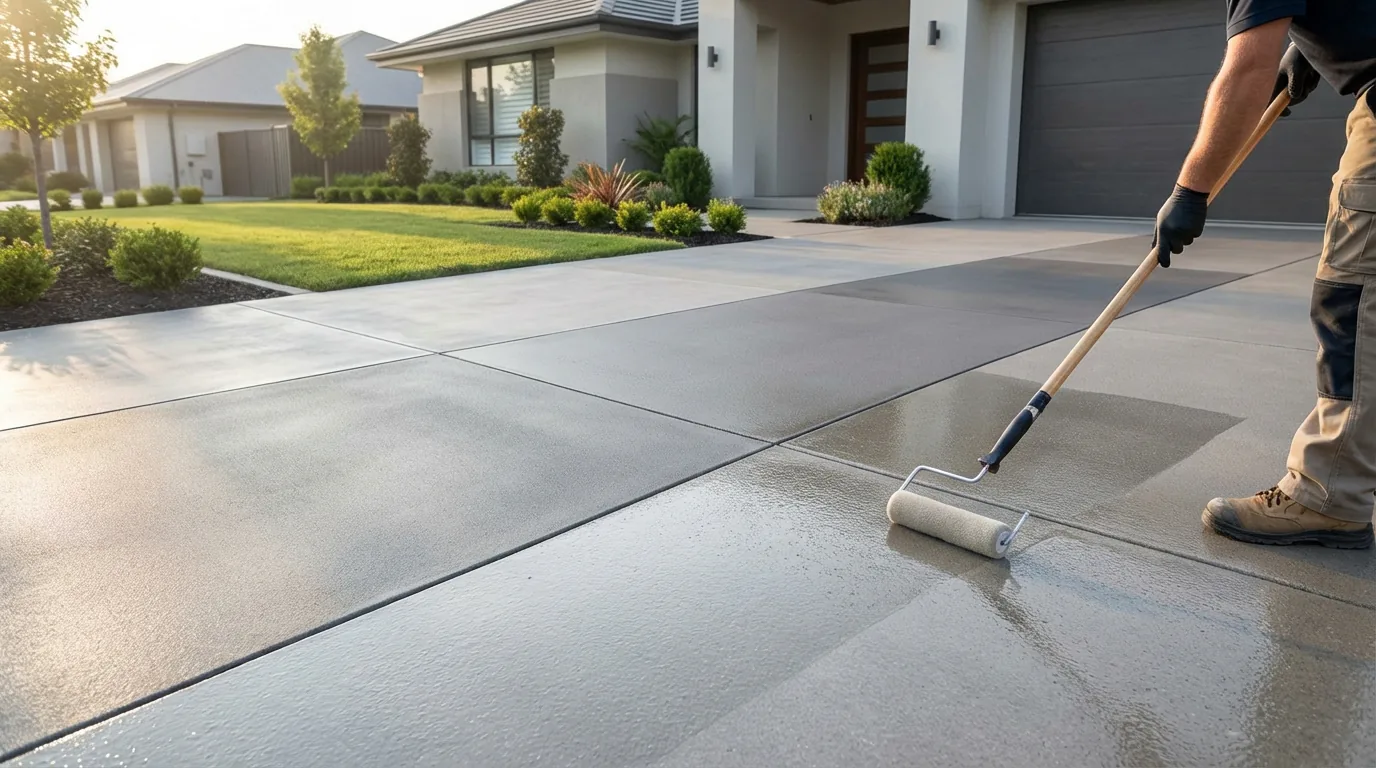
Choosing the right concrete sealer is crucial for a durable, safe, and visually appealing driveway, especially in Melbourne’s Northern Suburbs, where climate and traffic factors demand specific performance traits. This comprehensive “Driveway Showdown” pits acrylic vs epoxy vs polyurethane sealers head-to-head, evaluating their chemical properties, protection capabilities, slip resistance, and suitability for outdoor concrete surfaces.
Whether you’re a homeowner, contractor, or DIY enthusiast, understanding these differences helps you make an informed decision tailored to local conditions and safety requirements, including the critical aspects of non slip concrete sealer and anti slip concrete sealer technologies.
Introduction to Concrete Sealers for Driveways
Overview of Concrete Sealing and Its Importance for Driveways
Concrete sealers form a protective barrier on driveway surfaces, shielding them from wear, stains, water ingress, and environmental damage. This layer extends the lifespan of your driveway by preventing surface degradation caused by regular traffic, UV exposure, and chemical spills — common challenges in Australian outdoor environments.
In areas like Melbourne’s Northern Suburbs, sealing is integral to maintaining concrete durability against seasonal temperature swings and rain while also boosting aesthetics.
Defining Acrylic, Epoxy, and Polyurethane Sealers
At their core, these three sealer types differ significantly in chemical composition and performance:
- Acrylic concrete sealer: A water or solvent-based coating made primarily of acrylic polymers that form a thin, breathable film.
- Epoxy concrete sealer: A two-component resin system that cures into a hard, dense, chemically resistant layer.
- Polyurethane (urethane) concrete sealer: A flexible yet durable coating derived from urethane polymers, balancing toughness with elasticity.
Each type interacts uniquely with the concrete surface and has tailored uses depending on exposure, traffic, and climate demands.
Why Compare These 3 Sealers Specifically for Driveways?
Driveways face particular challenges such as vehicular wear, chemical spills, and weather impacts. Comparing acrylic vs epoxy vs polyurethane sealers directly addresses which product offers optimal protection, longevity, aesthetics, and safety for this high-stress concrete surface. This specialized approach distinguishes the article from generic sealing guides.
Next, we explore the chemistry that governs these performance differences.
Chemical Composition and Functionality of Acrylic, Epoxy, and Polyurethane Sealers
Chemical Makeup of Acrylic Concrete Sealer & Acrylic Cement Sealer
Acrylic concrete sealers typically consist of polymerized acrylic resins dissolved in water or solvents. These polymers create a microfilm on the concrete surface that seals pores to limit water intrusion while allowing moisture vapor to escape, helping to prevent peeling caused by trapped moisture.
Acrylic cement sealers function similarly but are specially formulated to penetrate slightly into fresh cement surfaces, combining sealing with surface plasticizing effects. As a concrete plasticizer, acrylic variants reduce surface tension and enhance durability without compromising breathability.
Chemical Makeup of Epoxy Concrete Sealer
Epoxy concrete sealers are thermosetting polymers formed by reacting epichlorohydrin and bisphenol A, combined with a curing agent. This creates a rigid, chemically bonded matrix that adheres strongly to the concrete substrate.
Epoxy resins are known for their low permeability, excellent chemical resistance, and tough film formation. However, they tend to be less UV stable and may yellow under prolonged sunlight exposure, which can be a consideration for outdoor driveways.
Chemical Makeup of Polyurethane Concrete Sealer (Urethane Concrete Sealer)
Polyurethane sealers are composed of urethane polymers synthesized from isocyanates and polyols. Their molecular structure provides elasticity and abrasion resistance, making them suitable for dynamic surfaces like driveways that undergo temperature-induced expansion and contraction.
These sealers maintain UV stability better than epoxy and possess excellent chemical resistance. They also offer superior adhesion on various concrete substrates, often working well with existing cement plasticizers installed during concrete curing.
Role of Concrete and Cement Plasticizers in Sealer Performance
Concrete plasticizers and cement plasticizers are admixtures added to fresh concrete mixtures to increase workability and reduce water content. These additives influence surface porosity and bonding characteristics, impacting how well sealers adhere and perform.
Acrylic sealers often pair positively with plasticized concrete surfaces due to their flexible, breathable nature. By contrast, epoxy and polyurethane sealers require carefully prepared substrates, as plasticizers can sometimes interfere with adhesion if not fully cured or compatible.
Understanding these chemical interactions ensures sealers form a robust, long-lasting bond with concrete driveways.
Performance Comparison: Durability, Weather Resistance, and Surface Protection
| Performance Factor | Acrylic Concrete Sealer | Epoxy Concrete Sealer | Polyurethane Concrete Sealer |
|---|---|---|---|
| Wear Resistance | Moderate — suitable for light to medium traffic; prone to surface abrasion under heavy vehicle load | High — excellent resistance to impact and abrasion from heavy traffic | High — combines toughness with flexibility; resists cracking under traffic stress |
| UV Resistance | Excellent — maintains transparency and color up to 3-5 years | Poor to Moderate — prone to yellowing and degradation without UV stabilizers | Excellent — UV stable, retains clarity and gloss longer |
| Chemical Resistance | Low to Moderate — vulnerable to fuel and oil stains | High — resists fuels, oils, salts, and many chemicals effectively | High — superior chemical resistance with flexibility against cracking |
| Maintenance Frequency | High — requires reapplication every 1-3 years | Low to Moderate — durable, with 5-7 years between recoats | Moderate — typically 3-5 years, depending on traffic and climate |
| Surface Protection | Good for water and dust repellence | Excellent barrier against moisture and stains | Excellent overall protection with elasticity for substrate movement |
In Melbourne’s Northern Suburbs, where driveways face harsh sun and wet conditions, the UV resistance of acrylic and polyurethane sealers provides a significant advantage over epoxy. However, for driveways subjected to heavy vehicle wear, epoxy’s abrasion resistance can be invaluable.
For a comprehensive overview of concrete sealer types and their longevity, see our article on the best concrete sealers – types, uses, and lifespan (2026).
Transitioning to aesthetics, the next section addresses how each sealer influences driveway look and feel.
Appearance & Aesthetic Impact on Concrete Driveways
- Gloss and Sheen: Epoxy sealers deliver the highest gloss levels, creating a glass-like finish. Polyurethane sealers also provide a glossy finish but with more natural depth, while acrylic sealers usually produce a softer, matte to semi-gloss sheen.
- Colour Stability: Acrylic and polyurethane sealers are more resistant to yellowing or fading under prolonged sunlight. Epoxy sealers often show yellow tinting, which may alter the original concrete color negatively over time.
- Effect on Texture: Acrylic sealers preserve the concrete’s natural texture due to their thin films. Epoxy coatings tend to create a thicker, smoother surface which can obscure natural trowel lines. Polyurethane balances texture preservation with visible gloss enhancement.
Understanding how different sealers interact with coloured concrete surfaces can help enhance driveway aesthetics; explore colour options in our comprehensive coloured concrete driveway options for Melbourne.
When comparing sealers, also consider their performance on concrete pavers, detailed in our guide on the best sealer options for concrete pavers in Australia.
Safety and Slip Resistance: Non Slip and Anti Slip Concrete Sealer Properties
“Surface traction on a driveway is paramount, especially in wet or oily conditions. The choice of sealer, combined with effective non-slip additives, can dramatically reduce slip hazards without sacrificing aesthetics or durability.” – Dr. Anita Greenwood, Surface Safety Specialist, Melbourne
- Intrinsic Slip Resistance: Acrylic sealers naturally offer moderate slip resistance due to their penetration and thin coating characteristics. Epoxy and polyurethane create denser surfaces that can be inherently slick unless modified.
- Additives and Enhancers: Incorporating fine aggregates like silica sand or polymer beads transforms sealers into effective non slip concrete sealers or anti slip concrete sealers. Compatibility varies: polyurethane sealers accept additives without yellowing optical effects, epoxy-based formulations may trap particles unevenly affecting appearance, while acrylic provides easy dispersion but shorter long-term wear of roughness.
- Best Practices: For driveways, especially those exposed to rain or vehicular spills, applying a non slip concrete sealer treatment with a concentrated additive tailored to the sealer type is recommended. Follow standards such as AS 4586:2013 for wet slip resistance ratings to ensure compliance and safety.
This balance of safety and aesthetics is critical for residential and commercial driveways alike.
Application Considerations for Driveways
Surface Preparation and Compatibility with Residential Driveway Concrete
Proper surface cleaning and drying are prerequisites to sealer application. For sealed plasticized concretes, ensure that any excess curing agents are flushed to avoid adhesion issues. Acrylic sealers tolerate minor surface alkalinity well, while epoxy and polyurethane require fully cured, neutral pH substrates.
Application Techniques Suitable for Each Sealer Type
- Acrylic: Often applied by sprayer or roller in thin coats for even coverage.
- Epoxy: Requires mixing two components accurately; applied via brush or roller; thicker coats typical.
- Polyurethane: Applied with rollers or spray equipment; sometimes involves multiple coats for full durability.
Environmental and Weather Factors Impacting Application in Australia
Temperatures between 10°C and 30°C and low humidity levels are ideal for sealer application. Melbourne’s variable climate demands careful timing to avoid rain interruptions or direct intense sunlight during drying.
Interaction with Concrete Plasticizers and Cement Plasticizers
Plasticizers can reduce surface porosity, affecting sealer penetration depth and adhesion. Acrylic sealers synergize with plasticizers as concrete plasticizer complements, while epoxy and polyurethane need tailored primers or adhesion promoters to mitigate plasticizer residue effects.
For step-by-step guidance on sealing processes tailored to Australian conditions, refer to our detailed article on how to seal a concrete driveway in Australia.
Considering drying times is crucial before driveway use; learn more about concrete sealer drying times and timelines in Australia.
Cost, Availability, and Value for Money
| Sealer Type | Approximate Cost (per m²)* | Maintenance Interval | Regional Availability (Melbourne) | Long-Term Value |
|---|---|---|---|---|
| Acrylic Concrete Sealer | $5 – $8 | 1-3 Years | Widely available from local suppliers | Good for budget-conscious, light use |
| Epoxy Concrete Sealer | $10 – $15 | 5-7 Years | Available, moderately priced in specialised outlets | Excellent for heavy traffic, durable investment |
| Polyurethane Concrete Sealer | $8 – $12 | 3-5 Years | Growing availability, preferred for aesthetics and durability | Balanced cost-performance for moderate to heavy traffic |
*Prices vary based on brand, sealer quality, and supplier regions.
For a comprehensive overview of concrete sealer types and their longevity, see our article on best concrete sealers – types, uses, and lifespan (2026).
Best Use Cases for Driveways: Choosing the Right Sealer Based on Needs
When to Choose Acrylic Concrete Sealer
Opt for acrylic sealers if your driveway is subject to light to moderate vehicle traffic, prioritises UV resistance and cost-effectiveness, and you prefer a natural, breathable finish. Acrylic also suits driveways with plasticized concrete surfaces, where flexible sealing is beneficial.
When to Opt for Epoxy Concrete Sealer
Choose epoxy sealers when the driveway faces heavy vehicular traffic, frequent oil and chemical exposure, or needs a hard-wearing, stain-resistant surface. They are ideal for commercial driveways or residential areas requiring long-lasting protection.
When Polyurethane (Urethane) Concrete Sealer is Ideal
Polyurethane sealers are perfect for driveways requiring a balance of durability, UV stability, and flexibility, especially where temperature fluctuations cause substrate movement. They provide excellent chemical resistance and good slip resistance when properly modified.
Decision-Making Matrix/Comparison Table for Quick Reference
| Factor | Acrylic | Epoxy | Polyurethane |
|---|---|---|---|
| Traffic Level | Light to Medium | Heavy | Medium to Heavy |
| UV Exposure | High Resistance | Low to Moderate | High Resistance |
| Slip Resistance Potential | Good (with additives) | Moderate (requires additives) | Good (with additives) |
| Maintenance Frequency | Frequent | Low | Moderate |
| Cost | Lowest | Highest | Mid-Range |
For homeowners interested in achieving longevity with stylish finishes, see our detailed guide on the best coloured concrete driveway options for Melbourne.
Compliance and Standards in Outdoor Concrete Sealing (Australia Focus)
In Australia, concrete driveway sealing must comply with several standards ensuring safety, environmental responsibility, and quality:
- AS 4586:2013 Slip Resistance: Specifies testing and classification for surface slip resistance, critical when applying non slip concrete sealers.
- AS/NZS 4858: Waterproofing membranes for external use control moisture ingress from below surfaces.
- Environmental Regulations: VOC content and chemical compositions must meet EPA guidelines to reduce environmental impact and health risks during application.
- Concrete Standards (AS 3972:2010): Affect compatibility and formulation of sealers to mitigate reactions with substrate plasticizers or admixtures.
Following these guidelines ensures sealed driveways in Melbourne’s Northern Suburbs meet safety and durability expectations while remaining environmentally compliant.
FAQs and Advanced Considerations
Can Concrete Plasticizers Affect Sealer Performance?
Yes. Plasticizers alter concrete porosity and surface chemistry, which can reduce sealer adhesion if not fully cured. Acrylic sealers generally accommodate plasticized surfaces well, while epoxy and polyurethane may need primers to ensure strong bonding.
How Do Different Sealers Protect Against Oil and Chemical Spills?
Epoxy and polyurethane sealers provide superior chemical resistance against oil, fuel, and cleaning agents. Acrylic sealers offer limited protection and might require frequent maintenance in high-spill areas.
Are Epoxy Sealers Suitable for Extreme Australian Heat?
Epoxy sealers are less UV stable and can yellow or degrade under intense sunlight. Thus, they are less ideal for exposed driveways unless UV stabilizers are incorporated or the surface is shaded.
Difference Between Acrylic Cement Sealer and Acrylic Concrete Sealer?
Acrylic cement sealers contain additives allowing slight penetration suited for fresh cement surfaces, improving workability and sealing during curing. Acrylic concrete sealers form a thin surface film over cured concrete, typically used for maintenance or protection post-installation.
Tips for Maintaining Non Slip Properties Over Time
- Regularly clean the driveway to prevent buildup of oils and dirt that reduce traction.
- Reapply anti slip concrete sealer additives or surface treatments every few years as wear diminishes effectiveness.
- Avoid harsh chemical cleaners that can degrade sealers or strip non-slip particles.
Frequently Asked Questions
What is the difference between acrylic, epoxy, and polyurethane concrete sealers?
Acrylic sealers form a thin, breathable film suitable for light traffic and UV resistance. Epoxy sealers create a hard, chemical-resistant layer ideal for heavy use but have poor UV stability. Polyurethane sealers offer a flexible, durable coating with excellent UV and chemical resistance, balancing toughness with elasticity.
How do epoxy and polyurethane sealers compare in terms of chemical resistance?
Both epoxy and polyurethane sealers provide high chemical resistance against oils, fuels, and salts. However, polyurethane sealers offer superior flexibility to resist cracking under stress, while epoxy sealers form a harder but more brittle surface that may be less suited for dynamic substrates.
Which concrete sealer offers better slip resistance for driveways?
Acrylic sealers naturally provide moderate slip resistance due to their penetrative thin film. Polyurethane and epoxy sealers tend to be slick unless enhanced with non slip additives, with polyurethane better maintaining slip additive visibility and durability over time.
When should a homeowner choose an acrylic cement sealer over a standard acrylic concrete sealer?
Acrylic cement sealers are best for freshly poured concrete as they penetrate and act as concrete plasticizers, improving curing and durability. Standard acrylic concrete sealers are more suited for sealing and protecting fully cured, existing concrete surfaces.
Can concrete plasticizers affect how well sealers adhere to driveways?
Yes. Concrete plasticizers reduce surface porosity and can hinder adhesion if not fully cured. Acrylic sealers typically adhere well to plasticized surfaces, but epoxy and polyurethane sealers may require primers or adhesion promoters to bond effectively.
How often should sealers with anti slip additives be reapplied to maintain safety?
Anti slip additives generally wear down over 3 to 5 years depending on traffic and weather exposure. Regular cleaning and reapplication of non slip treatments every few years help maintain effective traction and driveway safety.
Does UV exposure impact the longevity of each type of driveway sealer?
UV exposure significantly impacts sealer lifespan. Acrylic and polyurethane sealers have excellent UV resistance maintaining clarity and protection longer, whereas epoxy sealers may yellow and degrade without UV stabilizers, reducing outdoor durability.
What are the main factors to consider when choosing between acrylic, epoxy, and polyurethane sealers for a driveway?
Key factors include traffic intensity, UV exposure, chemical resistance needs, slip resistance, maintenance frequency, and budget. Acrylic suits light traffic and high UV, epoxy fits heavy traffic with chemical spills, and polyurethane balances durability with UV stability and flexibility.