
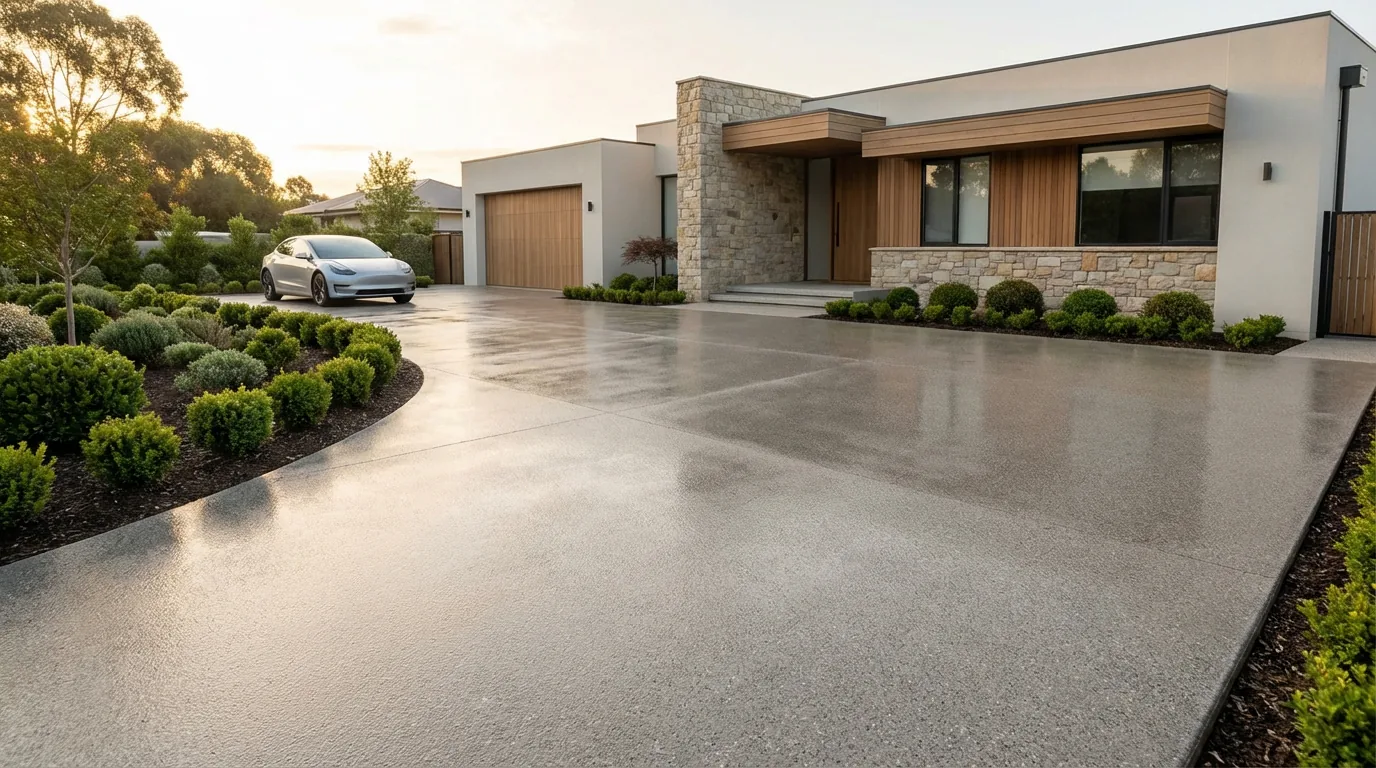
Resurfacing pillar techniques hold the key to restoring and enhancing worn concrete driveways without the need for a full repave. For Melbourne Northern Suburb homeowners in 2026, understanding how to resurface a concrete driveway efficiently while balancing cost and durability can save thousands in repairs and elevate curb appeal. This guide walks you through proven options, step-by-step processes, material choices, and transparent cost breakdowns, giving you the confidence to plan your driveway renovation with expert insight.
Understanding Concrete Driveway Resurfacing
What Is Resurfacing and How It Differs from Repaving or Refinishing
Concrete driveway resurfacing is the process of applying a new thin layer of material over the existing concrete surface to restore its appearance and function. Unlike repaving, which involves removing and replacing the entire driveway, resurfacing is less invasive, cost-effective, and quicker. It differs from refinishing as well: refinishing typically involves cleaning, sealing, and minor surface treatments but does not add a new structural layer.
Resurfacing addresses surface imperfections such as cracking, scaling, and discoloration, while repaving treats foundational problems. The resurfacing pillar concept emphasizes repairing and protecting the concrete’s surface thickness, preventing further deterioration and extending lifespan without full replacement.
Common Concrete Driveway Problems Necessitating Resurfacing
- Cracks and surface spalling: Small cracks and surface scaling expose concrete to moisture and freeze-thaw damage.
- Surface wear and staining: Years of traffic and exposure result in loss of texture, oil stains, and dull appearance.
- Unevenness or minor subsidence: Slight dips or heaving impact safety and aesthetics but don’t require full structural replacement.
Benefits of Resurfacing Over Other Driveway Renovation Options
- Cost savings: Significantly cheaper than ripping out and repaving complete driveways.
- Faster completion: Usually finished within days, minimising disruption.
- Environmental impact: Reduces waste by reusing existing slab rather than demolition.
- Improved curb appeal: Options include textured or aggregate finishes to refresh your driveway.
- Extended lifespan: Proper resurfacing can add 10–15 years to your concrete driveway’s life.
With these benefits verified by industry studies such as those from the Concrete Institute of Australia, resurfacing is a practical first step before considering costly repaving.
Next, we explore the various concrete resurfacing methods available and their applications.
Concrete Resurfacing Methods: Options Explained
| Method | Description | Pros | Cons |
|---|---|---|---|
| Cement Overlays and Covercrete | Thin cementitious layers applied over existing concrete, often trowelled smooth or textured. | Cost-effective, good adhesion, customizable texture | Requires excellent surface prep; can chip if substrate weak |
| Spraycrete Application | Sprayed concrete mixture for fast coverage, often used for thickness build-up and textured finishes. | Quick application, durable, can cover large areas efficiently | Specialist equipment needed; surface finish less smooth |
| Aggregate Finishes and Textured Resurfacing | Embedding decorative aggregates (stone, sand) into overlays for grip and aesthetics. | Enhanced slip resistance, attractive finish, durable | Higher cost; requires careful sealing |
| Decorative Concrete Resurfacing (Stenciling & Texturing) | Surface treatments using patterned stamping or stencils, often combined with coloured overlays. | High visual appeal; options like coloured concrete driveway options add personal style | More expensive; primarily aesthetic, less structural reinforcement |
Each resurfacing method suits different conditions and homeowner priorities. For example, covercrete resurfacing offers durability and smooth finishes ideal for high-traffic residential driveways, while spraycrete serves well for rapid application and textured surfaces. Although decorative methods like stenciling add style, note that this article focusses on structural resurfacing rather than purely decorative sealing. For a dedicated overview of decorative options, refer to our coloured concrete driveway options guide.
For homeowners seeking a textured and decorative finish, Pebblecrete driveway resurfacing and sealing methods offer an alternative worth considering.
The spray-on concrete stencil and texture techniques detailed here complement the overview of spraycrete applications discussed in this section.
Next, you’ll find a detailed guide on how to resurface your concrete driveway, step by step.
Step-by-Step Concrete Driveway Resurfacing Process
Preparing the Surface: Cleaning, Grinding, and Crack Repair
- Clear the driveway: Remove all debris, dirt, grease, and oil stains using pressure washing combined with degreasers designed for concrete.
- Grind the surface: Use a concrete grinder for resurfacing to roughen smooth areas, promoting better adhesion.
- Repair cracks: Fill visible cracks and spalled sections with appropriate epoxy or cement-based fillers to prevent water ingress.
- Allow repaired cracks to cure: Follow manufacturer’s curing time before resurfacing.
Spray-on concrete techniques are further detailed in our guide to spray-on concrete stencil and texture techniques, providing cost breakdowns and practical styling ideas.
Choosing and Mixing Resurfacing Materials
Select your resurfacing material (covercrete, spraycrete, etc.) based on your driveway’s condition and desired finish. Mix the material precisely according to manufacturer guidelines. For DIY, smaller batches in concrete mixers are suitable; professionals usually use specialized spray equipment for spraycrete.
Application Methods – Spraying vs Troweling vs Rolling
- Troweling: Often used for overlays like covercrete, this method allows smooth, flat finishes with good control.
- Spraying: Spraycrete is applied via pneumatic spray machines, suitable for textured finishes and covers large areas quickly.
- Rolling or broom finish: Used to add grip to smooth overlays or to apply sealers.
Curing, Sealing, and Final Inspection
- Allow proper curing: Maintain moist curing conditions to prevent cracking. Typical times range from 24 hours to several days, depending on material and climate.
- Seal the surface: Apply concrete sealers suited for driveway traffic to improve durability and stain resistance.
- Inspect: Check for uneven spots, cracks, or peeling. Reapply or touch up as necessary.
Proper surface prep and curing are pillars of a long-lasting concrete driveway resurfacing project. With thorough preparation and application, your driveway will look refreshed and perform strongly for years to come.
Next, we examine resurfacing materials in greater detail to help you choose wisely.
Resurfacing Materials: Properties, Pros & Cons
| Material | Properties | Pros | Cons |
|---|---|---|---|
| Covercrete | Cement-based overlay mixed with aggregates; bonds well to concrete | Good durability, relatively low cost, smooth finish options | Requires precise mixing; sensitive to substrate condition |
| Spraycrete | Sprayed concrete with cement and aggregates; fast set | Rapid application, good for uneven surfaces, built-up thicknesses possible | Needs specialist equipment and expertise; less smooth |
| Cement Overlays (Blended Mixes) | Blended cementitious materials with polymers to enhance flexibility and adhesion | Improved crack resistance, adaptable finishes | Higher cost; variable quality if DIY |
Material choice affects not just driveway resurfacing cost but also longevity and maintenance. For example, covercrete tends to last 10–15 years under proper upkeep, while sprayed materials are better suited for uneven or damaged surfaces requiring thicker layers.
Consult local suppliers and look for products meeting Standards Australia AS 3600 for concrete structures to ensure quality and durability.
Having covered the materials, now let’s deep dive into the 2026 price to resurface driveway with Australian-specific cost breakdowns.
Comprehensive Cost Breakdown for Concrete Driveway Resurfacing (Australia & Brisbane Focus)
| Resurfacing Method | Average Cost per m² (AUD) | Notes |
|---|---|---|
| Cement Overlay / Covercrete | $30 – $50 | Depends on finish, preparation complexity |
| Spraycrete | $40 – $60 | Specialist application, thicker layers cost more |
| Aggregate Driveway Resurfacing | $50 – $70 | Higher material and sealing costs |
| Driveway Refinishing (Cleaning and Sealing) | $15 – $25 | Less invasive, no new layers applied |
According to recent quotes from Melbourne Northern Suburb contractors, driveway resurfacing cost Australia varies primarily by surface preparation needs and material choice. For example, covercrete cost per m2 remains lower than spraycrete due to simpler application equipment and materials. Meanwhile, spraycrete cost justifies its higher price for durability and thickness build-up where base concrete is uneven.
Additional costs often include:
- Repairing cracks and potholes before resurfacing
- Sealers and finishing materials
- Labor and equipment rental (for DIY projects)
Comparing driveway refinishing cost vs resurfacing reveals that refinishing is cheaper but only masks problems without rebuilding the surface pillar structure.
Understanding tools next will prepare you for either DIY or professional resurfacing.
Tools and Equipment Needed for DIY and Professional Resurfacing
- Concrete Grinders – Essential for surface preparation and smoothing.
- Concrete Mixers – For blending overlays precisely.
- Concrete Sprayers – For spraycrete application; generally professional-grade.
- Trowels and Floats – For manual application and finishing of overlays.
- Safety Gear: Dust masks, eye protection, gloves, and knee pads.
With these tools, homeowners undertaking DIY should understand the safety standards for concreting projects and know when it is best to hire a contractor. Complex resurfacing jobs involving spraycrete or large-scale overlays often require professional expertise and equipment.
Next, we debunk some common myths and provide troubleshooting tips to avoid costly mistakes.
Common Mistakes, Myths, and Troubleshooting in Concrete Driveway Resurfacing
Misunderstood Resurfacing Pillar Concepts and Terminology
One widespread misunderstanding is equating resurfacing with simply painting or sealing. The “resurfacing pillar” concept is about rebuilding the concrete surface’s protective layer, not just covering it.
Mistakes in Surface Preparation and How to Avoid Them
- Poor cleaning leads to adhesion failures
- Skipping crack repair causes resurfaced layers to peel or crack prematurely
- Incorrect mixing ratios reduce durability
Myths About Durability and Cost Savings
- Myth: Resurfacing lasts as long as new concrete.
Fact: Resurfacing extends existing driveway life but typically lasts 10–15 years. - Myth: DIY resurfacing always saves money.
Fact: Incorrect application can lead to costly repairs down the line.
Troubleshooting Problems: Cracking, Peeling, Uneven Surface
Common causes include insufficient curing, surface contamination, or substrate movement. Address these by proper prep, using polymer-modified overlays, and checking substrate stability beforehand.
Armed with these insights, maintenance is essential to prolong the benefits of resurfacing.
Maintenance and Longevity of Resurfaced Driveways
Best Practices for Cleaning and Sealing After Resurfacing
- Regularly clean driveway with a pressure washer to remove buildup.
- Apply recommended sealers annually or biannually to protect the surface from stains and abrasion.
Long-Term Care to Extend Driveway Life
- Avoid heavy or sharp objects that may chip the surface.
- Attend to minor cracks promptly with suitable sealants.
- Choose maintenance products compatible with resurfacing materials.
Impact of Environmental Factors and Weather on Resurfaced Concrete
Melbourne’s varying climate requires choosing materials that can tolerate wet winters and hot summers. For insights on tailored surface protection and long-term maintenance involving colour and texture, explore our best coloured concrete driveway options guide.
Protective sealing and longevity advice specific to Pebblecrete driveways can be explored further with our expert guide on Pebblecrete driveway resurfacing and sealing.
Finally, here are answers to your most pressing resurfacing questions.
Frequently Asked Questions About Concrete Driveway Resurfacing
How Long Does Resurfacing a Concrete Driveway Take?
Most residential projects take 2–4 days, including prep, application, curing, and sealing.
Can I Resurface Over Existing Stains or Oil Spills?
Stains must be cleaned thoroughly as they impair bonding. Severe oil contamination might require replacement of some surface areas before resurfacing.
Is Resurfacing Suitable for Severely Damaged Driveways?
No. Severe structural damage or deep cracks usually mean repaving is more appropriate.
What Are the Environmental Considerations?
Resurfacing generates less waste but be mindful of responsible disposal of removed debris and choose eco-friendly sealers and materials where possible.
How to Choose the Best Resurfacing Method for My Driveway?
Consider driveway condition, traffic load, desired finish, and budget. Consultation with local contractors can help align choices with Brisbane’s climate and your property’s needs.
By following these guidelines, you ensure a successful, cost-effective, and durable concrete driveway resurfacing project in 2026.
Ready to renew your driveway with expert guidance? Use this updated 2026 guide to choose the ideal resurfacing options and contact local professionals for tailored quotes and service in Melbourne Northern Suburbs.
Frequently Asked Questions
What is the difference between driveway resurfacing and driveway refinishing?
Driveway resurfacing adds a new layer of material to restore the concrete surface, fixing cracks and wear. Driveway refinishing involves cleaning, sealing, and minor treatments without adding a structural layer, primarily improving appearance but not repairing damage.
How does spraycrete compare to covercrete for concrete driveway resurfacing?
Spraycrete provides thicker, textured layers suitable for uneven surfaces and faster application but requires specialist equipment. Covercrete offers a smoother, cost-effective finish with good durability, ideal for even driveways needing cosmetic improvement.
Which resurfacing method is best for decorative concrete driveways?
Decorative concrete driveways benefit most from stenciling and textured overlays combined with coloured cementitious materials. These methods enhance visual appeal while providing a protective surface, but may be more expensive and less focused on structural repair.
Can DIY driveway resurfacing achieve professional-quality results?
DIY resurfacing is possible for small, even areas using cement overlays but often requires skill in mixing, surface prep, and application. Complex methods like spraycrete typically need professional equipment and experience for durable, high-quality finishes.
Why is surface preparation critical before resurfacing a concrete driveway?
Proper surface preparation ensures strong adhesion of new materials, prevents peeling, and addresses existing damage like cracks or oil stains. Neglecting prep leads to premature failure, reducing resurfacing lifespan and increasing repair costs.
When should a concrete driveway be repaved instead of resurfaced?
Repaving is necessary for severe structural damage, deep cracks, or foundational issues that resurfacing cannot fix. If the concrete slab is unstable or extensively deteriorated, full replacement provides a longer-lasting solution.
Does resurfacing a concrete driveway increase its lifespan?
Yes, resurfacing rebuilds the driveway’s protective surface layer, extending its lifespan by 10 to 15 years when properly done and maintained, delaying the need for costly repaving.
How do environmental factors affect the choice of resurfacing materials?
Materials must withstand local climate conditions like freeze-thaw cycles, heavy rain, or heat. For example, polymer-enhanced overlays resist cracking in variable weather, making them suitable for areas with extreme temperature changes.