
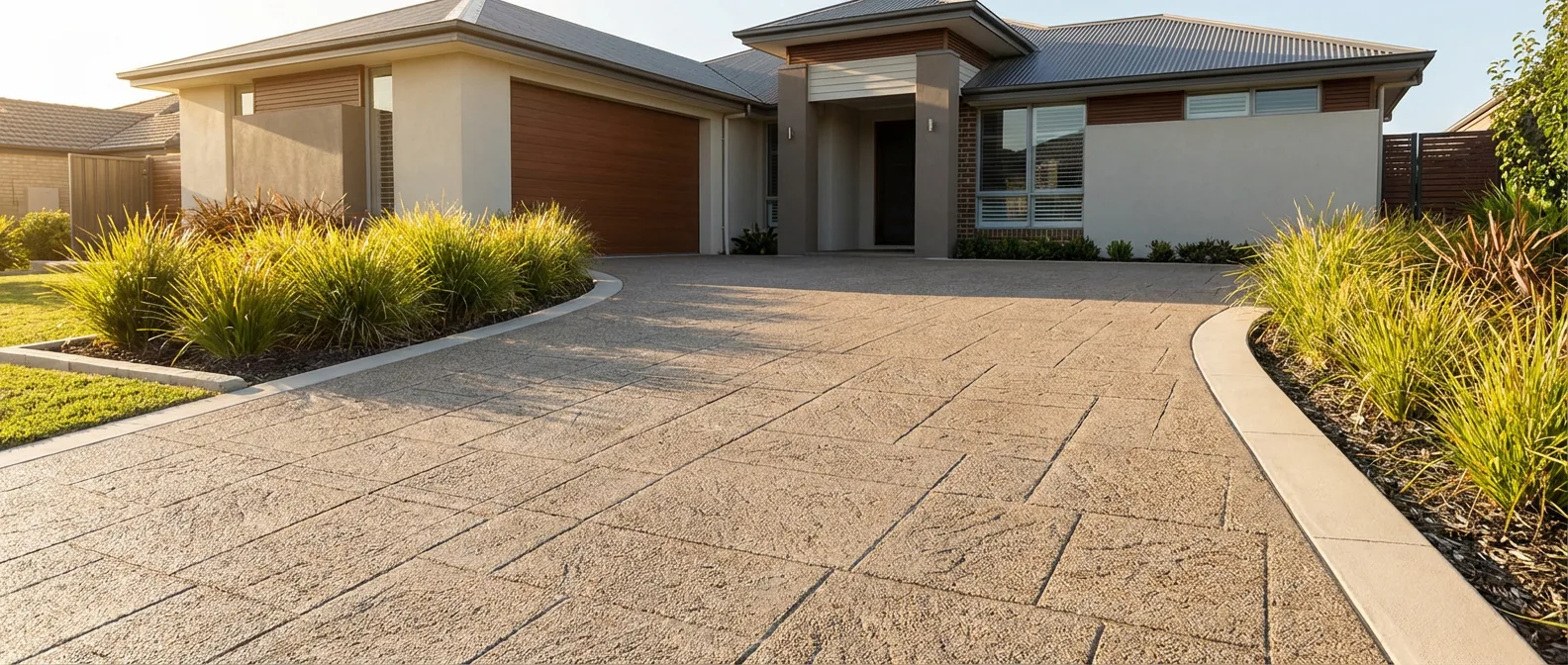
Spray-on options for concrete resurfacing have revolutionized how homeowners and contractors enhance outdoor spaces. Whether you’re revitalising a worn driveway or adding creative flair to a patio, understanding spray-on concrete techniques like stencil and texture finishes is crucial for achieving stunning, durable results. This comprehensive guide unpacks everything from the fundamentals of spray-on concrete to detailed cost insights tailored to the Brisbane and Melbourne northern suburbs markets.
Understanding Spray-On Concrete: Basics & Benefits
What Is Spray-On Concrete (Spraycrete)?
Spray-on concrete, also known as spraycrete, refers to a method where cementitious materials are pneumatically applied onto surfaces to create a new top layer or repair existing concrete. Unlike traditional concrete pouring, spraycrete uses high-pressure hoses to spray a mixture that bonds quickly to substrates, offering strong adhesion and excellent surface coverage. This technique allows for both functional and decorative applications ranging from repairs to full resurfacing.
Common formulations include polymer-modified cements to enhance flexibility and durability, which makes spraycrete particularly suitable for outdoor settings. Among decorative concrete finishes, coloured concrete driveway options offer additional customisation possibilities to elevate outdoor aesthetics.
The Concrete Network highlights how spray-on concrete adapts to various shapes and surfaces, ideal for driveways, patios, and walkways alike.
Advantages of Spray-On Concrete Over Traditional Resurfacing
Compared to conventional resurfacing methods such as overlay or slab replacement, spraycrete offers several advantages:
- Speed and Efficiency: Accelerator spray pumps enable rapid application over large areas with minimal downtime.
- Superior Bonding: Surface preparation combined with spraying results in adhesion that reduces risk of delamination.
- Creative Flexibility: The ability to incorporate coloured concrete driveway options and textures during application empowers bespoke designs.
- Durability: Enhanced resistance to cracking, weathering, and wear due to use of admixtures and polymer blends.
For homeowners interested in decorative outdoor concrete solutions, spray-on concrete remains a versatile, cost-effective option delivering lasting results.
Common Applications: Driveways, Patios, Walkways
Spraycrete is widely used across outdoor projects including:
- Concrete Driveway Resurfacing Brisbane: Renewing cracked or weathered driveways with textured or patterned finishes to improve curb appeal and functionality.
- Patio and Deck Surfaces: Creating skid-resistant, aesthetically pleasing zones with custom stencil or textured overlays.
- Garden Paths and Walkways: Enhancing durability and surface detail while blending with landscape features.
Its adaptability to irregular or sloped surfaces gives spray-on applications a distinct edge for varied residential projects.
Understanding these basics sets the stage for deeper exploration of the spray-on concrete process and creative possibilities.
Spray-On Concrete Resurfacing Process: Step-by-Step Overview
Surface Preparation: Grinding, Sandblasting & Cleaning
Effective resurfacing begins with thorough surface preparation to ensure adhesion and longevity:
- Grinding: Using mechanical grinders to smooth uneven or damaged concrete and expose aggregate if necessary.
- Sandblasting: Abrasive blasting removes contaminants, old paint, and other residues, improving surface profile.
- Cleaning: Removal of dust, oils, and debris before spraying—usually via high-pressure washing or vacuuming.
These preparation tools and methods directly influence how well the spraycrete bonds with the substrate. According to the Australian Standard AS 3958.1, surface roughness within specific parameters is critical for optimal overlay adhesion.
Mixing and Spraying Techniques for Stencil and Textured Finishes
After surface preparation, mixing the spray-on concrete involves carefully calibrated water-to-cement ratios and additive blends for desired flow and strength. Spray equipment parameters such as pump pressure and nozzle size are adjusted based on application type:
- Stencil Techniques: Spot-spraying layers with patterned templates are applied immediately after the initial spraycrete layer. This creates intricate decorative effects often mimicking natural stone or brick.
- Textured Finishes: Special aggregates or troweling immediately following spray application build tactile surfaces that can be slip-resistant or visually dynamic.
Attention to timing and layering is crucial—too early or late spraying leads to poor pattern definition or adhesion failures.
Curing and Sealing Procedures for Longevity
Proper curing is essential to strengthen the sprayed concrete and avoid cracks. This typically involves:
- Moisture Retention: Using water sprays or curing compounds to maintain adequate hydration during the initial curing period.
- Temperature Control: Scheduling application during moderate weather to avoid rapid drying or freezing.
- Sealing: Application of specialized sealants protects against UV, moisture ingress, and chemical spills, extending surface life and enhancing colour retention.
Timing from application to sealing can range from 24 hours to several days, influenced by local environmental factors.
Following this process ensures spray-on concrete not only looks great but will stand the test of time.
Exploring Spray-On Concrete Design Options: Stencil vs. Texture
Stencil Techniques: Patterns, Customisation & Visual Effects
Stencil application offers unparalleled customisation possibilities, allowing users to imprint detailed designs onto flat concrete surfaces. Popular stencil patterns include:
- Brick and cobblestone imitations
- Geometric and floral motifs
- Australian native leaf designs
- Corporate logos or house numbers
Colour can be integrated via spray-on tinted cement mixes or post-application stains, creating unique visual effects. Stencilling adds depth and sophistication to plain concrete, elevating aesthetics without major structural alteration.
Textured Finishes: Types, Tactility & Functional Benefits
Spraycrete textured finishes rely on aggregate blends or surface tooling to impart a tactile surface enhancing grip and hiding imperfections. Common types of textured finishes include:
- Exposed Aggregate: Revealing coarse aggregate beneath the spraycrete layer for natural, slip-resistant surfaces.
- Suede or Brush Finish: Light abrasion to create a soft, brushed feel.
- Spin or Swirl Patterns: Applied with specialised trowel techniques for dynamic, swirling motifs.
Beyond aesthetics, textured surfaces provide functional benefits such as improved traction and weather resilience—key for outdoor applications like driveways and walkways.
Combining Stencil and Texture for Unique Decorative Concrete Resurfacing
For a truly bespoke finish, stencil and texture methods may be combined. For example, a patterned stencil overlay can be enhanced with textured aggregate borders, or an exposed aggregate surface accented with stencilled leaf motifs. This fusion broadens creative expression and fits a variety of architectural styles.
Homeowners exploring options like Pebblecrete driveway resurfacing and sealing options will appreciate how spray-on concrete’s design flexibility stands apart, offering imaginative and cost-effective solutions for decorative concrete resurfacing projects.
Spraycrete Cost Explained: Pricing Factors & Regional Insights
Factors Influencing Spraycrete Cost: Materials, Labour, Surface Size
Spraycrete cost depends on multiple variables, including:
- Material Quality and Mix: Use of polymer additives or coloured pigments increases expenses.
- Labour Intensity: Complex stencil or texture patterns require skilled application, raising labour costs.
- Surface Condition and Size: Heavily damaged substrates needing extensive prep inflate overall pricing.
- Accessibility: Easily reachable flat surfaces lower cost compared to irregular or sloped terrain.
On average, spraycrete costs range from $40 to $80 per square meter for resurfacing projects in the Brisbane and Melbourne northern suburbs areas, reflecting material and labour variations. Regional contractors highlight efficiency gains and local material availability as key cost stabilisers.
Cost Comparison: Spray-On Concrete Vs Other Surfacing Options
| Surface Type | Average Cost (per sqm) | Key Benefits | Typical Use Cases |
|---|---|---|---|
| Spray-On Concrete (Spraycrete) | $40 – $80 | Rapid application, aesthetic versatility, durable | Driveways, patios, walkways |
| Standard Concrete Overlay | $50 – $70 | Simple finish, moderate durability | Driveways, floors |
| Pebblecrete Surfacing | $60 – $90 | Texture, slip resistance | Driveways, pool surrounds |
| Stamped Concrete | $70 – $120 | High decorative value, varied patterns | Patios, commercial finishes |
Homeowners comparing spraycrete to other options should consider both upfront cost and long-term maintenance. Spraycrete offers a unique balance of affordability and visual appeal, especially when factoring in customised stencil and textured finishes.
Specific Cost Considerations for Brisbane Concrete Driveway Resurfacing
In the Brisbane market, pricing is influenced additionally by:
- Climate-driven material specifications (e.g., UV-resistant sealants)
- Local labour market rates and availability
- Substrate condition related to seasonal weather damage
- Permitting or compliance costs with Brisbane City Council
For a detailed comparison and other decorative options, visit our coloured concrete driveway options for Melbourne guide.
Also, understanding concrete driveway resurfacing options and costs holistically can assist in budget planning before committing.
Choosing the Right Contractor & Materials for Spray-On Concrete
Finding Specialists in Spray-On Concrete & Decorative Concrete Resurfacing Brisbane
Working with reputable contractors skilled in spraycrete applications is vital for successful outcomes. Look for:
- Extensive prior project experience in decorative concrete resurfacing Brisbane
- Affiliations with professional bodies like the Master Builders Association
- Positive customer reviews and verifiable references
- Access to specialist equipment for spray on concrete resurfacing and quality control
Key Questions to Ask Contractors Before Hiring
- What specific spray-on concrete materials and brands do you use?
- Can you provide project timelines and cost breakdowns?
- How do you handle surface preparation and site cleanup?
- What warranty or maintenance services do you offer?
These questions help ensure contractors meet both quality and budget expectations.
Quality Indicators for Spray-On Concrete Materials and Equipment
Top-quality spraycrete materials exhibit:
- Certifications for chemical composition and environmental safety
- Consistent curing properties and bond strength verified by third-party testing
- Equipment capable of precise mixing ratios and adjustable spraying pressure
Contractors should use tools like pressure-regulated spray guns and grinders compliant with Australian safety standards to deliver professional results.
Environmental & Weather Considerations for Spray-On Concrete Applications
Ideal Weather Conditions for Spraycrete Application
Spray-on concrete requires temperate conditions for optimal curing. Best application parameters include:
- Temperature between 10°C and 30°C
- Low wind speeds to prevent overspray loss
- Moderate humidity to maintain moisture balance without prolonging drying
Impact of Brisbane’s Climate on Concrete Curing and Longevity
Brisbane’s subtropical climate featuring hot summers and occasional heavy rains necessitates:
- Use of UV-resistant sealers to protect against sun damage
- Rapid curing strategies to shield fresh spraycrete during sudden downpours
- Consideration of moisture ingress and thermal expansion in material selection
Climate data from the Bureau of Meteorology informs timing decisions for outdoor work windows.
Maintenance Tips to Protect Spray-On Surfaces
Maintaining spraycrete surfaces involves:
- Annual cleaning with mild detergents to prevent dirt buildup
- Resealing every 2–3 years depending on wear
- Prompt repair of chips or cracks to avoid water penetration
Routine upkeep significantly extends the aesthetic and structural life of decorative concrete resurfacing.
Case Studies: Successful Spray-On Concrete Driveway Resurfacing in Brisbane
Project Profiles: From Plain Driveways to Decorative Masterpieces
Case Study 1: A residential driveway in northern Brisbane was upgraded using stencil patterns mimicking natural stone. The project involved:
- Surface grinding and sandblasting to remove surface imperfections
- Application of coloured spraycrete with stencil overlay
- Sealing for UV protection
Result: A slip-resistant, elegant driveway that increased home value and curb appeal.
Cost and Timeline Overviews for Real-Life Projects
On average, such projects completed within 3 to 5 days with total costs in the $4,000 – $7,000 range depending on surface size and complexity. This aligns with regional averages discussed earlier.
Customer Testimonials & Lessons Learned
Homeowner feedback highlights the durability and visual transformation spray-on concrete delivers. Main lessons include emphasizing thorough surface prep and selecting experienced contractors.
These real-world insights reinforce spray-on concrete’s advantages as a reliable resurfacing solution in Brisbane’s climate.
Frequently Asked Questions
What is the difference between spray-on concrete and traditional concrete overlays?
Spray-on concrete uses pneumatic spraying for quick application and superior bonding, allowing creative finishes like stencil patterns and textures. Traditional overlays are poured or troweled, often slower with less design flexibility. Spray-on options generally offer faster curing and better adhesion on varied surfaces.
How does spraycrete cost compare to stamped concrete?
Spraycrete typically costs between $40-$80 per square meter, which is generally more affordable than stamped concrete’s $70-$120 per square meter. While stamped concrete offers high decorative value with varied patterns, spraycrete provides rapid application and versatile stencil and textured finishes at a lower price point.
Which spray-on concrete finish is best for slip resistance?
Textured finishes like exposed aggregate or suede brush are best for slip resistance. These create a tactile surface with improved grip, making them ideal for driveways, patios, and walkways where safety is a priority over smooth, decorative stencil overlays.
Can spray-on concrete be applied over uneven or cracked surfaces?
Yes, spray-on concrete is well-suited for uneven or cracked surfaces due to its strong adhesion and adaptability. Proper surface preparation like grinding and sandblasting is essential to ensure a stable, durable bond and an even finished appearance.
When is the best time to schedule spray-on concrete resurfacing in Brisbane?
The ideal time is during temperate weather with temperatures between 10°C and 30°C, low winds, and moderate humidity. Brisbane’s climate calls for avoiding extreme heat or heavy rain to ensure proper curing and long-lasting resin performance.
What maintenance is required to keep spray-on concrete surfaces durable?
Regular cleaning with mild detergent, resealing every 2–3 years, and prompt repair of chips or cracks help maintain durability. This upkeep protects the surface from moisture ingress, UV damage, and wear, extending the life of decorative concrete resurfacing.
How customizable are stencil patterns in spray-on concrete resurfacing?
Stencil patterns are highly customizable, ranging from natural stone imitations to geometric designs, native leaf motifs, or even logos. They can be combined with colored pigments or post-application stains, offering unique visual effects tailored to individual aesthetic preferences.
Is spray on concrete resurfacing environmentally friendly?
Spray-on concrete can be environmentally friendly when using polymer-modified cements with low VOC additives and efficient material use. Proper application reduces waste and resurfacing extends the lifespan of existing concrete, minimizing the need for full replacements and associated environmental impacts.