
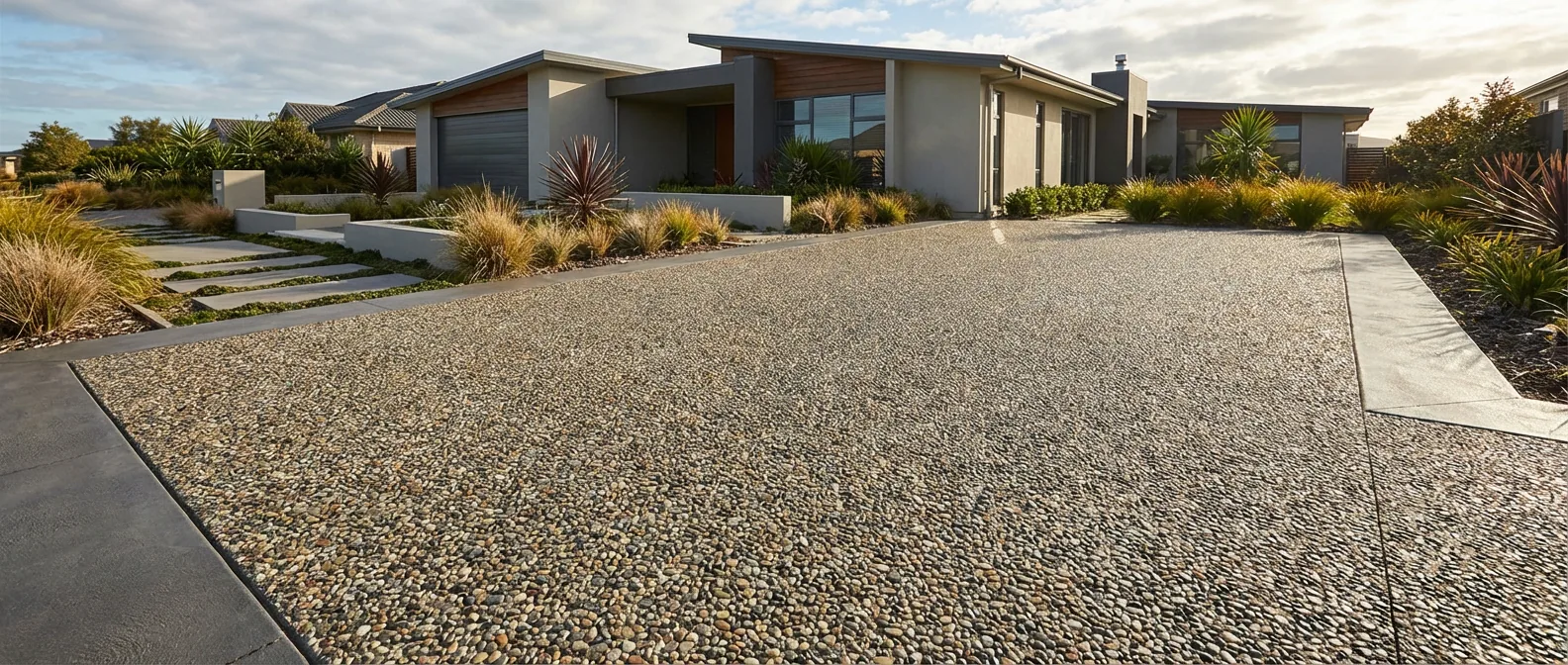
Exposed aggregate driveways have surged in popularity among Melbourne Northern Suburb homeowners seeking a durable, attractive, and low-maintenance driveway solution. But are they truly worth the investment in 2026? This guide dives deep into the cost, durability, aesthetics, and long-term value of exposed aggregate concrete driveways, empowering you to make an informed decision tailored to your project and lifestyle.
Understanding Exposed Aggregate Concrete: What It Is and Why It Matters
Defining Exposed Aggregate Concrete and Its Materials
Exposed aggregate concrete is a decorative finish where the top layer of cement paste is removed, intentionally revealing the underlying aggregate—small stones or pebbles—that provide texture and visual interest. This approach blends functional durability with aesthetic appeal. Typically, the mix comprises a cementitious matrix and a selection of aggregates, such as crushed granite, quartz, or natural river stones, which remain partially visible on the surface.
In Melbourne Northern Suburb projects, this surface combines slip resistance with resilience against cracking and weathering. The exposed aggregates provide a robust and tactile surface suitable for residential driveways and outdoor areas.
Popular Aggregate Types: Salt and Pepper vs. Ocean Floor Finishes
Among the various aggregate finishes, two popular styles dominate the market: the salt and pepper exposed aggregate and the ocean floor exposed aggregate. The salt and pepper finish features a mix of small, mostly grey and white pebbles creating a speckled appearance reminiscent of coarse seasoning—offering a timeless look widely appreciated for driveway surfaces. Conversely, the ocean floor finish incorporates a broader range of colors and aggregate sizes that simulate a natural, beach-like texture, bringing a unique coastal vibe that enhances homes close to water or coastal landscapes.
Both finishes provide excellent texture and slip resistance, with choices available based on personal style preferences.
Differentiating Exposed Aggregate from Other Concrete Finishes (Honed, Polished)
It’s essential to distinguish exposed aggregate from other popular concrete surface treatments like honed concrete around pools and polished concrete around pools. Honed concrete has a smooth, matte finish achieved by grinding the surface lightly, offering a low-sheen appearance without revealing aggregates. Polished concrete goes further, polishing the surface to a high gloss, often sealing in the aggregates but not exposing them visually.
Exposed aggregate, by contrast, deliberately showcases the natural textures and colors of the embedded stones, delivering a more rustic and tactile surface ideal for driveways requiring enhanced grip and longevity.
Key Suppliers and Palette Sources: Hanson & Holcim Overview
Leading Australian concrete suppliers like Hanson and Holcim set the industry standard with their curated exposed aggregate colours from Hanson & Holcim palettes. These suppliers offer consistent quality mixes with locally sourced aggregates tailored for the Australian climate. Their palettes include a wide spectrum of aggregate sizes and colours—from muted greys to vibrant whites—allowing homeowners to select a finish that complements their home and landscape. When selecting aggregate colours, suppliers like Hanson and Holcim offer popular palettes that set the standard — learn more about their exposed aggregate colours and options.
Understanding these material and supplier variables is crucial before assessing practicality and cost considerations.
With the basics of exposed aggregate concrete covered, let’s turn to the core question that determines its viability: the cost in 2026.
Cost Analysis: How Much Does an Exposed Aggregate Driveway Really Cost in 2026?
Aggregate Concrete Cost Per m2: Current Market Rates and Regional Variations (e.g., Perth)
The exposed aggregate driveway cost per m2 varies widely, influenced by factors such as aggregate type, finish quality, site complexity, and regional demand. As of early 2026, pricing benchmarks in Australian markets like Perth range from approximately $80 to $140 per m2[1] for standard exposed aggregate driveways. More complex finishes or premium aggregates may push prices to the higher end or beyond.
Variations arise because Perth’s unique supply chains and climate factors can alter material availability and labour rates, while Melbourne Northern Suburb rates tend to align with national averages but can differ by contractor.
Breakdown of Installation Costs and Contractor Pricing Factors
Installation typically accounts for 40-60% of the total cost. Key cost drivers include:
- Site Preparation: Earthworks, soil stabilisation, and base-laying add to upfront expenses.
- Labour: Skilled labour is essential to correctly expose aggregates without damaging the concrete’s structural integrity.
- Sealing: Applying sealers boosts longevity but incurs extra cost.
- Contractor Expertise: Experienced providers may charge premiums but reduce risk of errors.
Unexpected issues such as poor drainage or uneven terrain can increase costs. Installation costs vary widely depending on workflow and standards — see how professional best practices shape pricing.
aggregate concrete installation best practices
Comparison with Alternative Driveway Materials (Asphalt, Plain Concrete, Pavers)
For context, here’s a comparative cost table including aggregate concrete price and alternatives:
| Material | Average Cost per m2 (AUD) | Typical Lifespan (Years) |
|---|---|---|
| Exposed Aggregate Concrete | $80 – $140 | 25 – 40 |
| Plain Concrete | $50 – $80 | 20 – 35 |
| Asphalt | $60 – $100 | 15 – 25 |
| Pavers (Concrete/Clay) | $120 – $200 | 25 – 50 |
The exposed aggregate driveway cost per m2 is higher than plain concrete but typically lower than premium paver installations. Considerations include durability vs. upfront cost and maintenance demands. For comprehensive insights on coloured concrete options beyond exposed aggregate, see our guide on the best coloured concrete driveway options in Melbourne.
Impact of Colour and Finish Choices on Overall Price
Colour choices such as grey exposed aggregate concrete, white exposed aggregate, or more elaborate blends like salt and pepper affect price not only through material cost but also installation complexity. Whites and light colours may require extra sealing or specialized aggregates, increasing cost slightly. More uniform basic colours are often the most budget-friendly. The choice of exposed aggregate driveway colours influences both the aesthetic and financial outcome.
With a detailed grasp of costs, homeowners must evaluate durability and maintenance to gauge true value over time.
Durability, Maintenance, and Longevity: What to Expect Over Time
Typical Lifespan of an Exposed Aggregate Driveway
When properly installed and maintained, exposed aggregate driveways can last between 25 to 40 years[2]. Their robust composition offers excellent resistance to cracking and surface wear. The embedded aggregates shield the surface against erosion, and the rough texture supports skid resistance even after years of exposure.
Common Maintenance Requirements and Frequency
Maintenance is straightforward but important. Recommended care routines include:
- Annual Sealing: Most specialists advise resealing every 12-18 months to protect against water ingress and surface degradation.
- Regular Cleaning: Pressure washing to remove dirt and organic debris helps maintain appearance and slip resistance.
- Crack Repairs: Promptly filling any cracks prevents escalating structural damage.
- Avoiding Harsh Chemicals: Use neutral detergents to protect sealers and surface integrity.
This simple regime supports maximum lifespan and curb appeal.
Weather Resistance and Performance in Different Climates
The exposed aggregate concrete’s resilience to diverse climate stresses is notable. According to CSIRO climate research, increased heat and rainfall can accelerate concrete weathering. However, the natural aggregates in exposed agg concrete allow for better thermal expansion accommodation and prevent surface degradation compared to some finishes. Melbourne Northern Suburb’s variable weather is well-suited to this finish, and sealing helps guard against moisture ingress that causes damage in freeze-thaw cycles.
Warranty Considerations and Contractor Guarantees
Most reputable contractors offer a workmanship warranty spanning 5-10 years, often influenced by the product warranty from suppliers like Hanson or Holcim. These warranties protect homeowners from premature surface failures but usually exclude natural wear and tear or damage from environmental extremes. 2026 supplier warranties generally incentivize proper installation and regular maintenance, effectively mitigating risk for homeowners.
Knowing warranty details aids in forecasting long-term costs and helps to decide on the right contractor.
Durability profiles align well with medium- to long-term homeowner expectations, but how does the aesthetic facet complement these benefits?
Aesthetic Appeal and Design Considerations: Enhancing Curb Appeal
Overview of Exposed Aggregate Driveway Colours and Textures (Conceptual Coverage)
Exposed aggregate driveways offer a rich textural palette that includes pebble and stone impressions in a variety of exposed aggregate colours from Hanson & Holcim palettes. Popular shades include natural greys, whites, and earth tones, supporting versatile design schemes. While detailed colour palettes are covered in our sibling article on exposed aggregate colours from Hanson & Holcim palettes, prospective driveway owners should know that subtle colour shifts and aggregate size dramatically affect visual perception—an ultra-fine pebble aggregate produces a softer texture, while larger aggregates offer a pronounced rugged look.
Matching Driveway Styles with Home Architecture and Landscape
Driveways should complement the home and surrounding environment. For Melbourne Northern Suburb residences with modern architecture, cleaner exposed aggregate colours like white exposed aggregate concrete or subtle greys can create a sleek, minimalist look. Traditional homes might benefit from the warmth of salt and pepper finishes or ocean floor aggregates that fuse beautifully with natural stone or garden settings.
Related Applications: Exposed Aggregate Around Pool Areas and Outdoor Spaces
The versatility of exposed aggregate extends to pool surrounds and patios. Finishes such as exposed aggregate pool finish and exposed aggregate concrete pool surrounds offer non-slip, durable surfaces that blend functionality and style. For those comparing materials like honed concrete pool surrounds or polished concrete around pool areas, exposed aggregate provides superior grip and a natural aesthetic that complements outdoor leisure spaces.
Popular Aggregate Colour Trends in 2026 (Salt and Pepper, Ocean Floor, White Exposed Aggregate)
Current trends indicate growing popularity for cleaner, lighter tones such as white exposed aggregate, which make spaces appear larger and brighter. However, the classic salt and pepper remains a top choice due to its versatility and low visual maintenance. Ocean floor styles are gaining traction in coastal suburbs, inspired by nature and a desire for organic designs.
To explore more design possibilities and colour palettes for concrete driveways, check out our detailed overview of coloured concrete driveway styles in Melbourne.
Beyond appeal, practical considerations of installing an exposed aggregate driveway can heavily influence decision-making.
Installation and Practical Considerations: Is It the Right Choice for Your Project?
Timeline and Complexity Compared to Other Driveway Options
Exposed aggregate driveway installation is moderately complex. Typically, projects take 3 to 5 days including site preparation, concrete pouring, exposing the aggregate after initial set, and sealing. This duration is longer than plain concrete or asphalt but shorter than intricate paver layouts. The technique requires experienced labour to expose aggregates uniformly without compromising surface strength.
Hiring the Right Contractor: Industry Standards and What to Ask
Hiring qualified contractors is critical. Homeowners should verify:
- Credentials and licenses consistent with Australian standards.
- Experience specifically with exposed agg driveway projects.
- Comprehensive quotes that clarify inclusion of sealing, prep work, and warranty.
- References or case studies demonstrating quality and reliability.
Proper installation is critical to durability and aesthetics — follow a professional exposed aggregate concrete installation workflow to ensure optimal results.
Site Preparation and Soil Considerations for Residential Driveways
Preparing the base layer is foundational: soil compaction, leveling, and drainage ensure longevity and prevent cracking. Poor preparation leads to premature failures and increased maintenance costs. Typical installations require a sub-base of compacted gravel under the concrete pour to support heavy vehicle loads common for driveways.
Common Installation Challenges and How They Affect Cost and Quality
Unexpected on-site issues can delay projects and raise costs. These include:
- Unstable soil requiring additional stabilisation.
- Adverse weather causing curing delays or surface imperfections.
- Incorrect aggregate exposure leading to uneven texture or weak spots.
Anticipating and addressing these concerns improves final quality and value.
Installation intricacies underline the importance of weighing the return on investment carefully.
Return on Investment: How Exposed Aggregate Driveways Affect Home Value and Resale
Impact on Curb Appeal and Marketability
A well-maintained exposed aggregate driveway significantly boosts curb appeal, often making properties more inviting and distinctive on the market. Real estate experts note that driveway aesthetics contribute substantially to buyers’ first impressions. According to a 2025 property market report, homes with quality concrete driveways command up to 5% higher resale value compared to those with plain or asphalt surfaces.
Comparative ROI Analysis vs. Other Driveway Surfaces
Compared to alternatives, exposed aggregate driveways balance upfront cost with longevity and ease of maintenance, offering better ROI than asphalt and favorably competing with high-end pavers. Given an extended lifespan of up to 40 years and relatively low maintenance, the total cost of ownership is competitive.
Real-World Examples and Case Studies from Homeowners
Consider this Melbourne Northern Suburb case: a homeowner invested $12,000 in an exposed aggregate driveway project in 2023. After three years, the driveway retained its appearance with minimal maintenance costs. On resale, the property attracted multiple buyers citing driveway aesthetics as a selling point, enabling a sale price 6% above suburb median.
This aligns with broader homeowner reviews praising exposed agg concrete cost-effectiveness and durability.
How Maintenance and Longevity Influence Long-Term Value
Consistent upkeep—especially sealing—ensures the driveway maintains its original look and function, preserving property value. Neglect can reduce lifespan and impact curb appeal negatively, lowering ROI. Homeowners factoring lifecycle costs realize better investment returns and fewer surprises over time.
Clear evidence suggests that, while exposed aggregate driveway investment may seem premium initially, it pays dividends in enhanced home value and owner satisfaction.
FAQs and Deeper Insights: Addressing Common Concerns and Advanced Topics
How Does Exposed Aggregate Compare to Honed and Polished Concrete Around Pools?
While exposed aggregate provides superior slip resistance and durability, honed concrete around pool and polished concrete around pool surfaces offer smoother, stylish finishes with different maintenance regimes. Exposed aggregate’s texture generally makes it safer for wet areas, but may feel rougher on bare feet.
What Are the Most Cost-Effective Colour and Finish Options?
Neutral greys and salt and pepper finishes typically offer excellent value due to common aggregate availability and simpler sealing requirements. White exposed aggregate, while trendy, often carries higher costs for material and maintenance.
Are There Environmental or Sustainability Benefits?
Exposed aggregate concrete can be considered environmentally sustainable relative to other materials. It utilises locally sourced natural aggregates and requires less frequent replacement due to its durability. Moreover, permeable variants contribute positively to stormwater management, supporting greener building practices.
How to Handle Repairs and Resurfacing Over Time?
Minor surface damage can be addressed with patching or localized grinding. Major wear may require resurfacing or re-exposure of aggregates. Engaging professional contractors ensures repairs match the original finish and maintain driveway integrity.
Does Exposed Aggregate Increase Slip Resistance Compared to Other Driveways?
Yes. The textured surface naturally enhances traction, meeting standards outlined in the Building Code of Australia (BCA). This makes it a safer choice for families and properties prone to wet conditions.
Having answered key concerns, you are now equipped with a comprehensive understanding of the exposed aggregate driveway value proposition for 2026.
Conclusion
Exposed aggregate driveways offer Melbourne Northern Suburb homeowners a compelling mix of aesthetic appeal, durability, and long-term value. Though initial costs can be higher than plain concrete or asphalt, the longevity, slip resistance, and design versatility justify the investment, particularly when matched with professional installation and regular maintenance. The latest supplier warranties and colour trends, backed by real-world cases, further affirm their worthiness as a driveway solution in 2026.
Ready to elevate your home’s curb appeal with a durable, cost-effective driveway? Consult reputable contractors, explore material palettes, and plan your exposed aggregate project with confidence.
Frequently Asked Questions
What factors affect the long-term durability of exposed aggregate driveways?
Long-term durability depends on quality of materials, proper installation, regular sealing, and appropriate site preparation like soil compaction and drainage. Environmental exposure and climate also influence lifespan, but well-maintained exposed aggregate driveways typically last 25 to 40 years with minimal cracking or surface wear.
How does exposed aggregate driveway maintenance compare to plain concrete?
Exposed aggregate requires more frequent sealing (every 12-18 months) and regular cleaning to preserve texture and slip resistance. Plain concrete needs less frequent maintenance but is more prone to visible cracking and can be less slip-resistant. Overall, exposed aggregate’s upkeep maintains both function and aesthetic longer.
Why is hiring an experienced contractor important for exposed aggregate driveways?
Experienced contractors ensure even aggregate exposure without surface damage, proper curing, and sealing application, which are critical for durability and appearance. Poor workmanship risks uneven texture, weak spots, and premature failure, increasing repair costs and reducing driveway lifespan.
Can exposed aggregate concrete be repaired if damaged?
Yes, minor damages can be fixed with patching and localized grinding. Extensive wear may require resurfacing or re-exposing aggregates by professionals to match the original finish and maintain surface integrity and appearance.
Is exposed aggregate safer than polished or honed concrete for wet areas like pools?
Exposed aggregate offers superior slip resistance due to its textured surface, making it safer for wet environments like pools compared to smoother honed or polished concrete, which can be more slippery when wet.
Which exposed aggregate colours offer the best value for money?
Neutral colours like grey and salt and pepper typically provide the best value, balancing aesthetic appeal with common aggregate availability and lower sealing costs. Light colours, such as white exposed aggregate, often incur higher material and maintenance expenses.
How does the cost of an exposed aggregate driveway compare with paver driveways?
Exposed aggregate driveways generally cost less than premium paver installations, ranging from $80 to $140 per m2 compared to $120 to $200 per m2 for pavers. They offer similar durability with easier maintenance, providing a cost-effective alternative for long-term investment.
What is exposed aggregate concrete, and how is it made?
Exposed aggregate concrete is a decorative finish created by removing the surface layer of cement paste to reveal embedded aggregates like pebbles or stones. This provides a textured, slip-resistant, and visually appealing surface commonly used for driveways and outdoor areas.