
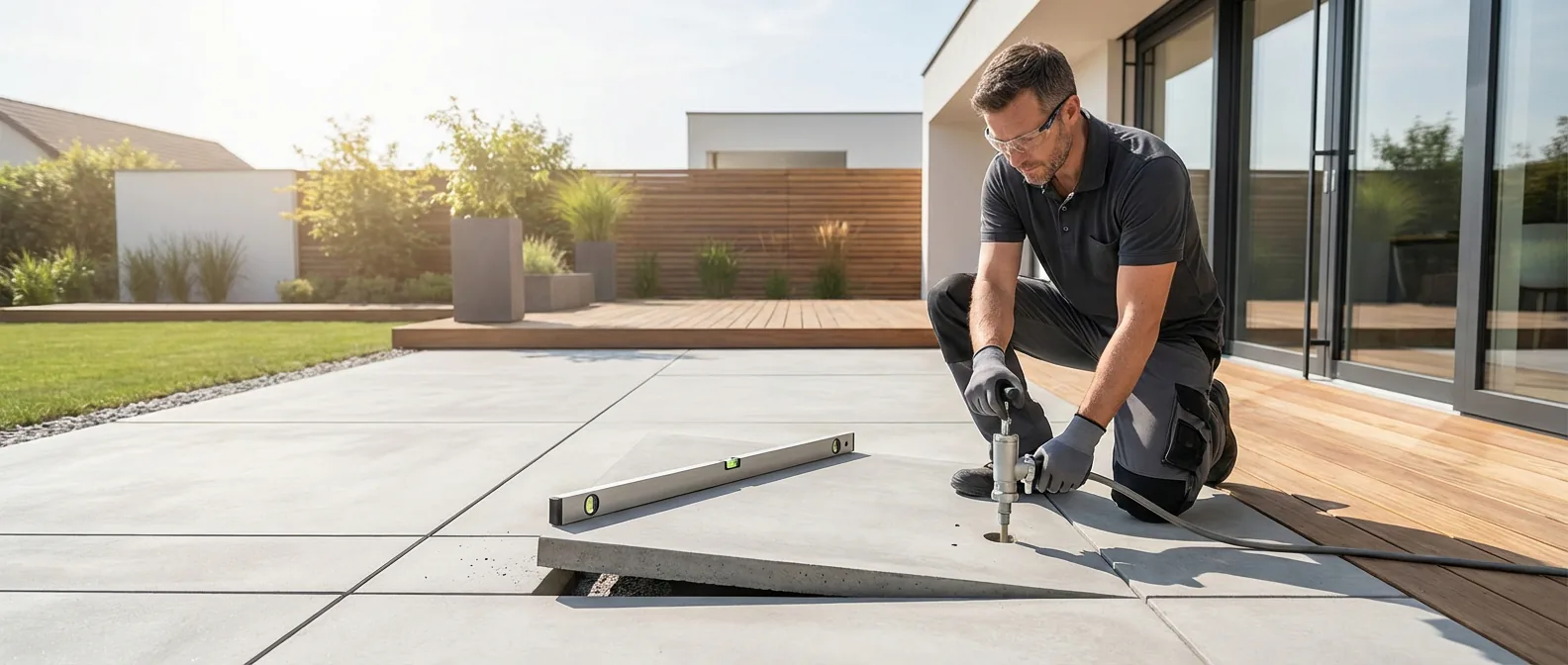
Concrete leveling and jacking are essential solutions for homeowners and businesses in Melbourne’s northern suburbs facing uneven or sunken slabs. Deciding between these methods—and understanding their costs and benefits—can be daunting. This comprehensive guide unpacks when you need concrete jack or level your slab, explores the full range of options, and breaks down costs transparently to help you choose the right fix for your property.
Understanding Concrete Leveling and Jacking: An Overview
What Is Concrete Leveling?
Concrete leveling is the process of correcting uneven or sunken concrete surfaces by raising them to their original or desired height. This technique restores smoothness, safety, and structural integrity to slabs such as driveways, sidewalks, patios, or garage floors. It addresses issues created by soil settlement, poor compaction, or erosion beneath the slab, which cause uneven surfaces and trip hazards.
Unlike surface repairs, concrete leveling does not focus on cosmetic fixes; it targets the root cause—slab misalignment—ensuring a long-lasting restoration of functionality. Methods can vary but commonly involve lifting and filling voids under the slab to prevent future sinking.
What Is Concrete Jacking (Slab Jacking)?
Concrete jacking—often called slab jacking—is a specific form of leveling where a mix, traditionally mud or newer foams, is injected beneath a concrete slab through drilled holes. This injected material fills any gaps and pushes the slab back up to an even level. It is widely used for sunken driveways, sidewalks, and structural concrete floors.
The process relies on slab lifting equipment such as a concrete slab jack, combined with either slurry or foam to elevate the concrete safely. This technique avoids full concrete replacement, saving time and costs.
Differences Between Concrete Leveling and Jacking
While often used interchangeably, concrete leveling is a broader term encompassing all methods to restore slab evenness, whereas concrete jacking specifically refers to the injection-based approach.
- Concrete leveling includes methods like mudjacking, foam mudjacking, and some mechanical lifting.
- Concrete jacking/slab jacking involves pumping material under the slab to lift it but excludes surface grinding or overlaying techniques.
Understanding these distinctions helps decide which approach fits your slab’s condition and project goals most effectively.
Common Causes for Uneven or Sunken Concrete
Concrete slab settlement can stem from several factors, including:
- Soil erosion or washout: Water draining under slabs removes supporting soil, leaving voids.
- Poor soil compaction: Inadequate preparation during construction can cause later settling.
- Soil expansion and contraction: Clay-rich soils common in Melbourne’s northern suburbs swell in wet seasons and shrink when dry, shifting slabs.
- Freeze-thaw cycles (less common in Melbourne but relevant nationally): Repeated water freezing and thawing under slabs can destabilize support.
- Heavy loads or traffic: Excessive weight may stress the concrete beyond its support limits.
Recognising these causes helps determine the suitability and durability of leveling or jacking interventions.
Understanding these fundamentals sets a strong foundation before assessing if your property needs slab jack or leveling fixes.
Symptoms and Assessment: Do You Need Concrete Leveling or Jacking?
Signs Your Concrete Slab Needs Lifting or Leveling
Identifying uneven concrete early can prevent costly structural issues. Look for these common symptoms:
- Sunken or tilted concrete slabs: Noticeable depressions or angles where the slabs no longer align horizontally.
- Cracks bridging slab edges: Separation at joints caused by uneven support beneath.
- Pooling water: Persistent wet spots indicating poor drainage and settlement.
- Trip hazards: Uneven walkways becoming dangerous for pedestrians.
- Doors and windows sticking or misaligned in attached structures: Uneven foundations can affect the building envelope.
Structural Integrity Considerations
Uneven slabs are not only aesthetic issues—they can compromise the structural integrity of concrete surfaces. Left untreated, widespread settlement may cause progressive cracking, spalling (surface breakdown), or foundation damage. Proper slab lifting restores stability and supports load distribution, critical for driveways and slab-on-ground floors.
If you notice soft spots or crumbling edges alongside unevenness, consult a professional as these signs may indicate advanced damage requiring more extensive repair.
When to Call a Professional for Assessment
While minor levelling might seem DIY-friendly, accurate assessment requires expertise in:
- Evaluating soil conditions beneath the slab
- Determining the best concrete lifting technique for longevity and cost-efficiency
- Ensuring the slab jacking process maintains structural safety
Certified concrete contractors or professionals specializing in leveling and jacking use diagnostic tools such as ground-penetrating radar or laser level surveys to measure deviations precisely.
Professional evaluation is vital especially if structural concerns or repeated settling occur.
If your concrete slab shows white residue along with uneven surfaces, understanding safe methods to remove concrete efflorescence can be an important supplementary step.
After recognising these key signs and professional advice, you can explore the specific methods available for concrete leveling and jacking.
Key Methods for Concrete Leveling and Jacking
| Method | Description | Pros | Cons |
|---|---|---|---|
| Traditional Mudjacking (Slab Jacking) | Injection of cementitious slurry (mud) under slab to fill voids and lift concrete. |
|
|
| Foam Mudjacking (Using Concrete Lifting Foam) | Injection of lightweight polyurethane foam that expands to lift slab. |
|
|
| Slab Lifting Techniques and Equipment (Concrete Slab Jack) | Mechanical lifting using hydraulic or pneumatic jacks, often alongside injection methods. |
|
|
Pros and Cons: Mudjacking vs Foam Mudjacking
- Traditional mudjacking is generally less expensive upfront but heavier material increases the risk of future settling and may require longer cure times.
- Foam mudjacking uses lightweight polyurethane foam, reducing pressure on soils, drying faster and often presenting a more durable and eco-friendly option, albeit at higher material costs.
Choosing between these options depends on soil conditions, slab thickness, budget, and urgency of repairs.
With this overview of methods, you’re ready to dive into cost comparisons to align your choice with your financial plan.
Cost Analysis: Comparing Concrete Leveling and Jacking Options
Factors Affecting Slab Jacking Cost and Concrete Jacking Cost
The slab jacking cost varies according to several key factors:
- Size of the slab area: Larger areas require more material and labor.
- Extent of settlement: Deeper lifts need more foam or mud volume.
- Soil conditions: Highly unstable or clayey soils may increase preparation costs.
- Choice of material: Foam is more expensive than traditional mud slurry.
- Accessibility: Difficult-to-reach slabs increase labor and equipment time.
- Contractor rates: Labor charges in Melbourne’s northern suburbs can vary based on experience and demand.
- Additional repairs: Any cracks or surface preps add to the costs.
Beyond leveling and jacking costs, considering the overall investment in concrete surfaces—including coloured concrete driveway options—can optimize budget allocations for driveway repairs and upgrades.
According to recent Melbourne contractor quotes (2024), the average concrete slab jacking cost falls within these ranges, though specific projects can vary widely.
Cost-effectiveness: Short-term vs Long-term Considerations
While foam may appear costly initially, its longevity and resistance to resettling often reduce repeat repairs. Traditional mudjacking’s lower initial cost may result in recurring service calls due to the heavier slurry compressing over time.
Assessing your budget against expected lifespan and slab usage intensity guides the best value choice.
Additional Costs: Site Preparation, Repairs, and Contractor Fees
- Site preparation: Clearing debris or damage may add costs ($150–$500)
- Surface repair: Minor cracks or spalling often require addressing simultaneously
- Permits and inspections: Melbourne council requirements can add fees
- Contractor fees: Experienced specialists may charge premium rates but deliver better outcomes
Next, we explore detailed procedural steps so you know exactly what to expect from your concrete leveling or jacking project.
How Concrete Leveling and Jacking Work: Step-by-Step Process
Preparing the Concrete Slab for Leveling or Jacking
- Site inspection: Professionals assess slab condition, soil stability, and choose the appropriate lifting method.
- Cleaning: Remove dirt, vegetation, and debris around the slab and holes.
- Drilling injection holes: Small holes (3-5cm diameter) are drilled strategically to inject leveling material.
Injecting Mud or Foam: Technical Procedure Details
- Injection of material: Either a cement slurry (mudjacking) or expanding polyurethane (foam mudjacking) is pumped via tubes into voids beneath the slab.
- Slab lifting: As material fills voids, it pushes the concrete back to level.
- Monitoring: Technicians continually check slab height to reach exact desired elevation.
Post-Lifting Inspection and Finishing Touches
- Filling injection holes: Once level, holes are patched and sealed for a smooth surface.
- Surface clean-up: Remove excess material and ensure proper drainage.
- Final inspection: Confirm slab stability and assess for any immediate settling.
Typical Project Timelines
Small to medium slabs can often be leveled within a single day, especially when using foam mudjacking, which cures in 15–30 minutes. Traditional mudjacking may require 24–48 hours drying time before heavy use.
This procedure is minimally invasive and typically avoids major disruption, especially compared to full concrete replacement.
With an understanding of how these methods work in practice, the next step is choosing the right solution tailored to your project’s unique requirements.
Choosing the Right Concrete Leveling or Jacking Method for Your Project
Evaluating Soil and Site Conditions
Effective concrete slab repair starts with soil evaluation. Clays common in Melbourne’s northern suburb tend to swell and shrink dramatically, impacting slab lifting success. Where expansive or unstable soils are present, lightweight concrete leveling foam is often recommended to minimise pressure and future settlement.
Matching Methods to Project Scale and Structural Needs
- For large, residential driveways or exterior slabs with moderate settlement, traditional mudjacking is often cost-effective.
- Where slabs are thin, restricted access, or excessive lifting required, foam mudjacking provides precision and durability.
- For structural slabs bearing heavy loads, multiple lifting passes combining slab lifting equipment and foam injection may be necessary.
Environmental and Durability Factors: Foam vs Mud
Foam mudjacking is more environmentally friendly, using closed-cell polyurethane foam with minimal excavation. It resists water absorption, limiting soil erosion and concrete spalling risk. In contrast, traditional mud may wash away over time, encouraging void formation.
Contractor Selection Tips for Concrete Jacking and Leveling
- Choose specialists with local Melbourne northern suburb experience knowledgeable about regional clay soils.
- Verify licensing and insurance coverage for concrete lifting services.
- Request multiple quotes and check references emphasizing quality and warranty.
- Discuss transparency in concrete slab jacking cost and project timeline before signing.
For homeowners in Melbourne aiming to enhance both durability and aesthetics, exploring the best coloured concrete driveway options in Melbourne can complement leveling or jacking repairs by providing lasting surface appeal.
Choosing the right approach after this detailed analysis ensures both structural and financial soundness.
FAQs and Troubleshooting Common Concerns
How Long Does Concrete Leveling or Jacking Last?
With proper method selection and site preparation, concrete leveling and jacking can last 10 to 20 years or longer. Foam mudjacking typically provides longer durability due to its lightweight and water-resistant nature. However, soil conditions and heavy usage greatly influence lifespan.
Can Concrete Leveling Fix All Types of Concrete Damage?
No. Leveling and jacking address unevenness caused by settling or voids beneath slabs. They do not repair cracks or spalling on the surface itself. For these issues, separate repair methods such as epoxy injection or resurfacing are required. Combining approaches may be necessary for comprehensive restoration— professional approaches to fixing concrete cracks and spalling.
What Are the Risks of Ignoring Sunken Concrete?
Ignoring settling slabs risks worsening trip hazards, accelerated structural integrity loss, water pooling leading to property damage, and costly replacements. Early action with leveling or jacking avoids these complications and costly structural repairs.
Does Insurance Cover Concrete Jacking Costs?
Generally, homeowner insurance does not cover concrete leveling or jacking as these are considered maintenance rather than damage from insurable events. Coverage varies, so check your policy or speak to your insurer about specific conditions.
How Do Soil Conditions Influence the Success of Mudjacking vs Foam Mudjacking?
Clay and poorly draining soils common in Melbourne’s northern suburb absorb water unpredictably, impacting slab stability. Foam mudjacking suits these conditions better due to its lightweight and minimal soil disturbance, reducing risks of future voids compared to heavier mud slurry.
What Environmental or Regulatory Considerations Affect Choice and Application of Foam Mudjacking?
Polyurethane foam used in foam mudjacking must comply with local environmental standards concerning chemical makeup and biodegradability. Melbourne councils may require permits or special waste handling certification during application.
Can Concrete Leveling/Jacking Be Combined With Minor Concrete Crack Repairs?
Yes. Minor surface cracks can be repaired after slab leveling to ensure seamless restoration. However, leveling should be completed first to prevent further cracks from uneven movement.
What Are the Signs That Concrete Leveling or Jacking Has Failed or Needs to Be Redone?
Indicators include new or persistent unevenness, fresh cracks, water pooling, or sinking within months to a few years after service. These signs suggest incomplete filling or soil issues that require reevaluation.
What Innovative Materials or Technologies Are Emerging in Concrete Slab Lifting?
Recent advances include eco-friendly foams with enhanced expansion control, combined polyurethane-cement mixes for durability, and precision robotic slab jacking ensuring uniform lifts. These innovations improve longevity and reduce environmental impact.
With these answers, you’re better equipped to assess slab leveling needs and make informed decisions for your Melbourne property.
Conclusion: Concrete leveling and jacking are cost-effective solutions for restoring uneven slabs caused by soil settlement and erosion. By recognising symptoms early, comparing mudjacking with foam mudjacking based on soil and durability needs, and understanding transparent cost factors, you can choose the best method tailored to your project. Always engage qualified contractors experienced with Melbourne’s northern soils to ensure lasting results.
Take the next step—consult a concrete leveling professional today to protect your property’s structural integrity and enhance safety.
Frequently Asked Questions
What is the main difference between foam mudjacking and traditional mudjacking?
Foam mudjacking uses lightweight polyurethane foam that expands to lift slabs quickly and resists soil erosion, while traditional mudjacking injects a heavier cement slurry. Foam cures faster, reduces the risk of resettling, and suits unstable soils better but costs more upfront.
How do soil conditions affect the choice of leveling or jacking method?
Clay-rich or poorly draining soils benefit from foam mudjacking due to its lightweight, water-resistant properties minimizing future settling. Heavier mudjacking may cause additional soil compression and voids, making foam preferable where soil stability is a concern.
When should slab lifting equipment be used instead of just injection methods?
Slab lifting equipment, such as hydraulic jacks, provides precise control for lifting thick or heavily settled slabs. It is essential when large elevation adjustments are needed or when combined with foam or mud injection for structural slabs bearing heavy loads.
Can concrete leveling or jacking be a suitable alternative to full concrete replacement?
Yes. Concrete leveling and jacking effectively restore uneven slabs without demolition, saving time and costs. They address soil voids beneath the slab and are ideal when the concrete surface itself remains intact without severe cracking or spalling.
Which concrete leveling method offers better long-term durability, foam or mudjacking?
Foam mudjacking generally provides better long-term durability due to its lightweight, fast curing, and water-resistant properties, reducing risks of resettling and soil erosion compared to traditional, heavier mudjacking materials.
How does the size and condition of the slab influence the slab jacking cost?
Larger slabs and those with deeper settlement require more material and labor, increasing slab jacking costs. Poor soil conditions and difficult accessibility also raise expenses, while choosing foam over mudjacking impacts material costs accordingly.
Why is professional assessment important before deciding on concrete leveling or jacking?
Professional assessment ensures accurate diagnosis of slab and soil conditions, helping select the appropriate lifting method, preventing structural risks, and providing reliable cost and longevity estimates tailored to the specific project needs.
What environmental benefits does foam mudjacking provide over traditional methods?
Foam mudjacking uses closed-cell polyurethane foam that resists water absorption, minimizing soil washout and erosion, reducing repeat repairs, and requiring less excavation. This makes it more eco-friendly compared to traditional mud slurry injection.